Course overview
No previous electrical experience or qualifications are needed. The course is designed to take a complete beginner to a confident, competent tester in a single day, while also serving as a thorough refresher for anyone already working in the field.
Course Dates & Booking
We run PAT testing courses in the Glasgow area regularly throughout the year, with both individual places and group bookings available. You can check upcoming dates and reserve your place online through our secure booking system. If none of the published dates suit you, get in touch — we can often arrange an alternative date, or deliver the course on-site at your own premises.
PAT Testing Training in Glasgow
Our Glasgow PAT testing courses are delivered from our training academy at Units 1–3, 5 Murray Street, Paisley, PA3 1QG — just outside the city and easily reached from across Glasgow and the surrounding area. We’re roughly 15 minutes from Glasgow city centre by car via the M8 (Junction 27), with Paisley Gilmour Street station a short walk away and frequent direct trains from Glasgow Central. Free on-site parking is available for those travelling by car.
We regularly train delegates from across Glasgow, Renfrewshire, Lanarkshire and Ayrshire — including facilities and maintenance staff, electricians, office and business managers, landlords, and people setting up their own PAT testing service. Whether you’re testing equipment for your own organisation or planning to offer testing commercially, you’ll leave ready to work safely and independently.
Getting to the venue
- By train: Paisley Gilmour Street (ScotRail) is about 0.4 miles (a 10 minute walk) and reaches Glasgow Central in around 10 to 12 minutes; Paisley St James is a similar distance.
- By bus: Central Paisley is well served, with links across Glasgow and Renfrewshire.
- By car: The venue is just off Paisley centre and near the M8, with on-street and nearby parking.
What You’ll Learn
The course combines clear, practical theory with structured hands-on testing, so you understand not just how to test an appliance but why each step matters. Over the day you’ll cover:
- Electrical safety principles and the common hazards found in workplaces
- Your legal responsibilities under UK health and safety legislation
- How appliances are classified — Class I (earthed) and Class II (double insulated) — and why the class changes how you test
- User checks and formal visual inspection
- Correct setup and use of a PAT testing machine
- Earth continuity, insulation resistance and earth leakage testing
- Carrying out load and functional checks safely
- Testing a range of equipment, including IT and ICT equipment, extension leads and power tools
- Interpreting test readings and making accurate pass/fail decisions
- Setting sensible, risk-based retest intervals
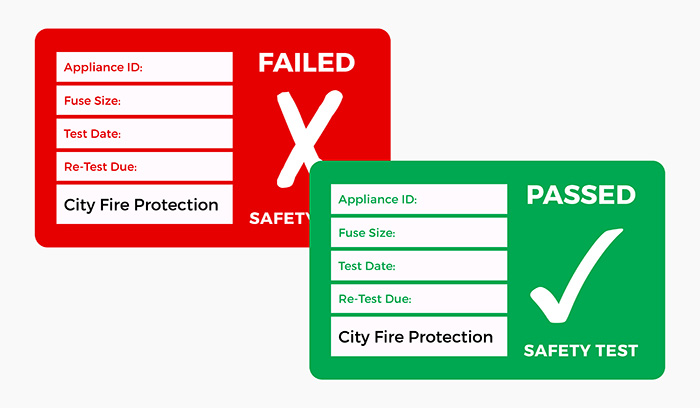
- Labelling appliances and keeping proper test records and documentation
- Applying the IET Code of Practice to real workplace situations
By the end of the day you’ll understand the full inspection-and-testing process and the regulatory context that sits behind it.
A Typical Training Day
The course usually runs from around 9:30am to 4:30pm, structured roughly as follows:
- Welcome, introduction and course objectives
- Electrical safety basics and the legal background
- Appliance types and classification, and how to carry out a visual examination
- Lunch
- User checks, inspection and testing — demonstrations and hands-on practical work
- Further practical testing, including IT equipment, and interpreting results
- Practical assessment, conclusion and questions
Refreshments are provided, and there’s plenty of time built in for questions throughout the day.

Hands-On, Practical Training
This is a practical course, not a lecture. You’ll spend a significant part of the day working directly with professional PAT testing equipment under the supervision of an experienced tutor, testing a variety of real appliances. We provide all the testers and equipment you need on the day, though you’re welcome to bring your own machine if you’d like guidance on using it. You’ll leave with genuine practical ability — not just theory.

Who Should Attend
The course suits anyone responsible for the safety of electrical equipment, including:
- Facilities and maintenance staff
- Electricians and electrical contractors
- Office managers and business owners
- Health and safety officers
- Landlords and property managers
- Anyone looking to start a PAT testing business
No electrical background is required. The course is designed to be accessible to complete beginners while still adding value for more experienced delegates.

Assessment and Certification
You’ll be assessed through a short practical assessment and a brief knowledge check, covering safe working, correct use of the testing equipment, and accurate interpretation of results.
On successful completion you’ll receive a Skills Training Group certificate confirming your competence in portable appliance testing.
It’s worth clearing up a common misconception here: you do not need a formal qualification such as City & Guilds 2377 to carry out PAT testing.
UK health and safety law doesn’t require any specific certificate to test portable appliances — what it requires is that the person doing the testing is competent.
The Health and Safety Executive defines competence as the right combination of training, knowledge and practical experience to do the job safely.
That is precisely what this course delivers: the underpinning theory, the hands-on practical skills, and the confidence to test correctly.
Your certificate documents that you’ve been trained and assessed, giving you clear, recognised evidence of competence to show employers, clients, insurers and auditors.
Why PAT Testing Matters
Faulty electrical equipment is a significant cause of workplace fires and injuries, which is why keeping appliances safe is a legal duty. Under the Electricity at Work Regulations 1989, employers and duty holders must ensure electrical equipment is maintained in a condition that prevents danger.
There’s a widespread myth that the law requires every appliance to be PAT tested on a fixed schedule — it doesn’t. What the regulations require is that equipment is kept safe, and a programme of regular inspection and testing is the most widely recognised way of demonstrating you’ve met that duty. Carrying out testing in-house, using someone you’ve had properly trained, lets you stay compliant, cut the cost of outsourcing, and act quickly when new equipment arrives or a fault is suspected — while giving auditors and insurers confidence that you’re managing electrical safety responsibly.
Why Train With Us
Our PAT testing courses are led by experienced tutors who work in the field, so you learn current, real-world practice rather than textbook theory. We keep groups small enough for genuine hands-on time and one-to-one support, and we’re rated highly by past delegates on Trustpilot. After the course, you’re welcome to contact us with any questions as you start testing.
Frequently Asked Questions
Do I need any experience or qualifications to attend?
No prior electrical knowledge or qualifications are required. The course is built for beginners, starting with the key principles before moving into practical testing, and experienced delegates use it as a structured refresher.
Is PAT testing a legal requirement?
There's no law stating that every appliance must be PAT tested at fixed intervals. However, the Electricity at Work Regulations 1989 require employers to keep electrical equipment in a safe condition, and inspection and testing is the recognised way to demonstrate this.
Do I need to bring my own PAT tester?
No — all testing equipment is provided on the day. If you already own a tester, you're welcome to bring it along so we can show you how to get the best from it.
Can I start a PAT testing business after this course?
Yes. Many delegates take the course specifically to begin offering PAT testing. You'll gain the practical skills and documented competence needed to carry out testing professionally; running the business itself also involves insurance, marketing and administration.
Will my certificate be accepted during inspections or audits?
Yes. The certificate confirms you've been trained in line with the IET Code of Practice and assessed as competent, which is normally sufficient evidence of competence during workplace audits, insurance reviews and safety inspections.
Will one day really be enough to test confidently?
Yes. The course is intensive and weighted towards practical work, so you spend a large part of the day actually using the equipment rather than sitting through theory. Most delegates leave able to carry out inspections and tests independently and safely.
Will I actually get hands-on with the equipment, or is it mostly watching?
You'll get plenty of hands-on time. After the demonstrations you test a range of real appliances yourself, under your tutor's supervision, until you're comfortable doing it on your own. The practical element is the heart of the course.
How long is my certificate valid, and will I need to retrain?
There's no legally fixed expiry on a competence certificate. As good practice, we'd recommend a refresher every few years to keep current with updates to the IET Code of Practice and changes in best practice — particularly if you test regularly or commercially. (Set the exact interval you want to recommend.)
Is this course suitable if I only need to test equipment in my own workplace?
Absolutely. Plenty of delegates take the course purely to bring testing in-house rather than to offer it commercially — it's a cost-effective way to keep your own organisation compliant and respond quickly when new equipment arrives.
Book Your Place
Ready to get started? Reserve your place on an upcoming Glasgow course online, or call our team to talk through dates. Training several people? We offer discounted group places and can deliver the course on-site at your premises across Glasgow and the west of Scotland — often the most cost-effective option for teams.