Course overview
Our 29-week gas engineer course is the UK’s most comprehensive and in-depth gas safe course for adults and now includes the installation and maintenance of air source heat pumps.
We go the extra mile for all our students, ensuring that they’re not only fully qualified but the most employable as well. Our expert learning and development team have identified skill shortages within the industry through their years of experience. We have incorporated this knowledge into our training syllabus making you a valuable asset for employers.
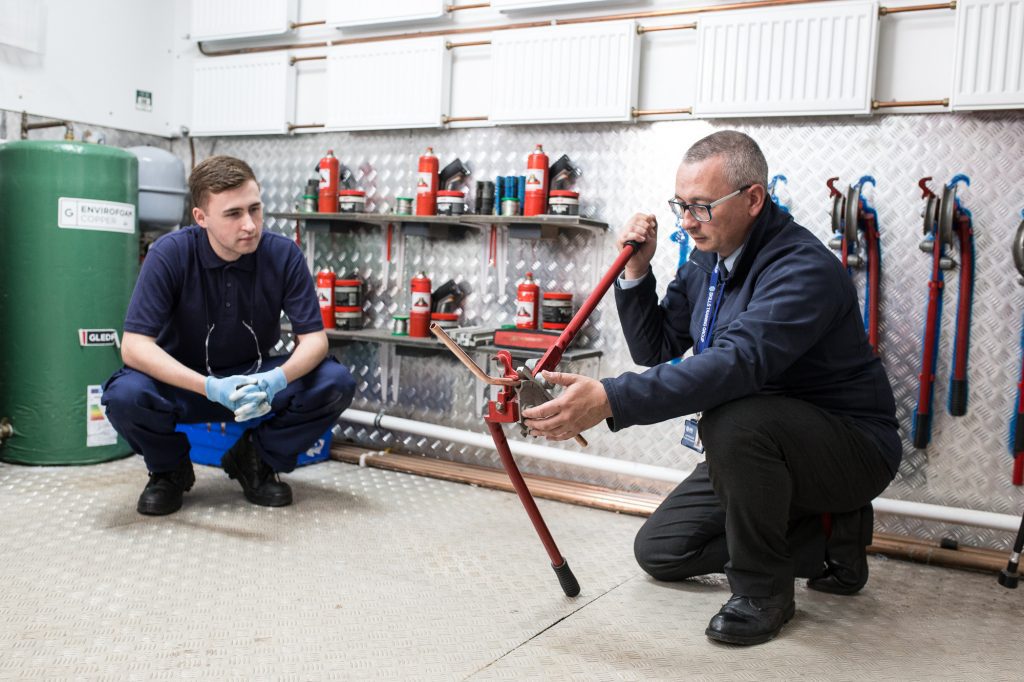
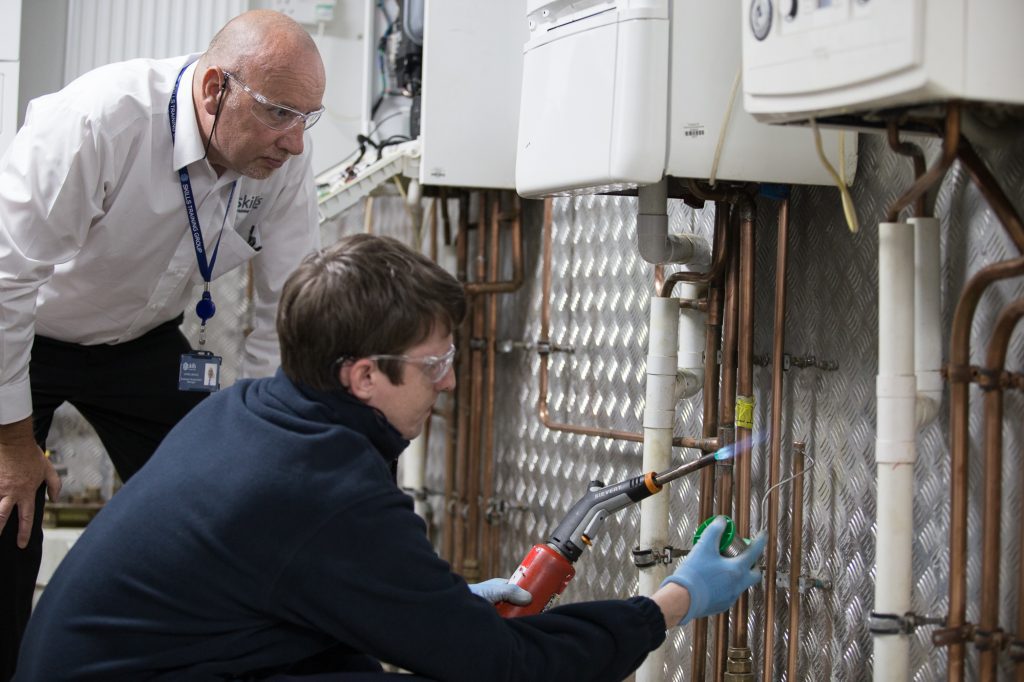
With a blend of classroom and workshop-based learning, we believe that ‘hands-on’ learning is essential to train for a career in the gas industry.
Qualification Overview
- CCN1 – CORE DOMESTIC GAS SAFETY (NATURAL GAS)
- CPA1 – COMBUSTION PERFORMANCE ANALYSIS
- CENWAT – DOMESTIC GAS CENTRAL HEATING BOILERS & WATER HEATERS
- CKR1 – DOMESTIC GAS COOKERS
- HTR1 – DOMESTIC GAS FIRES & WALL HEATERS
- UNVENTED HOT WATER STORAGE SYSTEMS – INSTALLATION, SERVICING AND MAINTENANCE OF UNVENTED HOT WATER SYSTEMS FROM 15 TO 500 LITRES.
- WRAS WATERBYELAWS
- LEVEL 3 AWARD IN THE INSTALLATION AND MAINTENANCE OF AIR SOURCE HEAT PUMPS – INSTALL, SERVICE AND MAINTAIN AIR SOURCE HEAT PUMP SYSTEMS
- SYSTEM DESIGN AND FAULT FINDING – OUR OWN SYSTEM DESIGN AND FAULT-FINDING COURSE AIMED AT GIVING YOU A BETTER UNDERSTANDING OF HOW TO REPAIR CENTRAL HEATING SYSTEMS AND BOILERS.
Some of the employers from this course





Your 4 Step Accredited Career Path to Becoming Gas Qualified
Your route to becoming a qualified gas engineer follows the 4 steps below.

In-Centre Training
Complete Skills Training Group's award-winning in-centre training which includes theory & practical training, giving you the necessary skills & experience to get you job-ready.

Guaranteed Work Placement
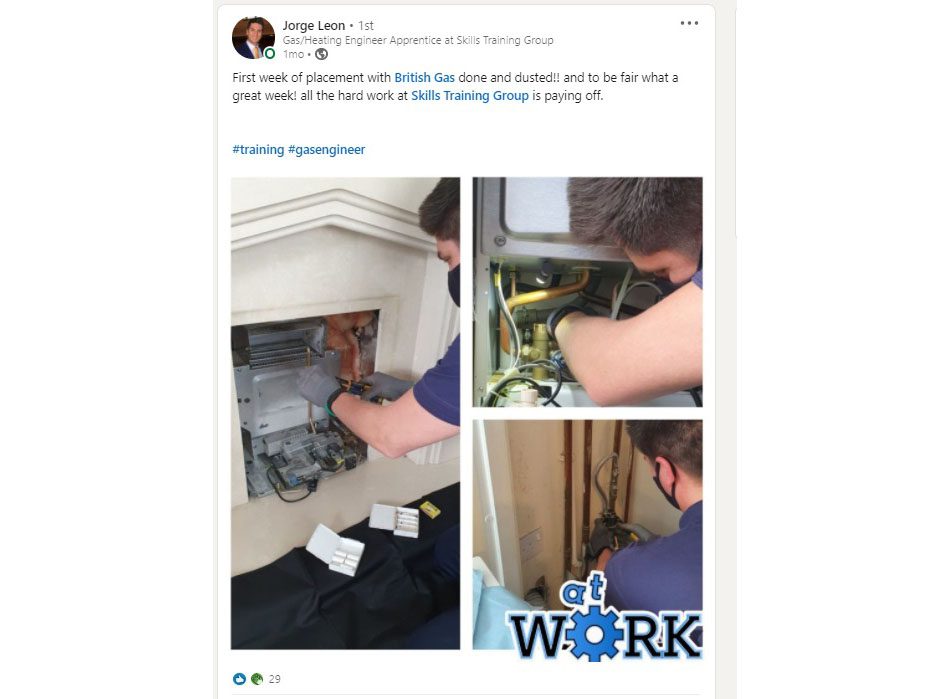
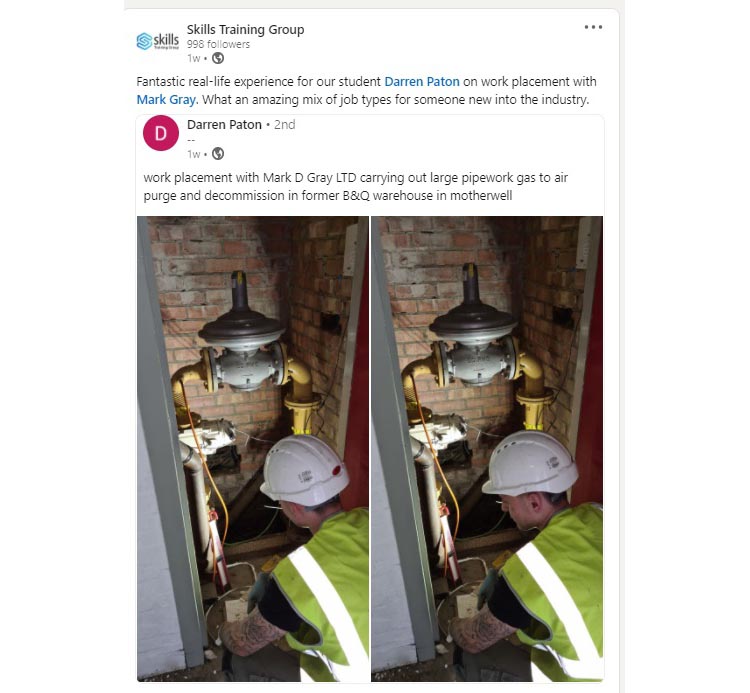
Attend a guaranteed work placement with a Gas Safe Employer and complete your portfolio of work - a mandatory requirement for new entrants.

ACS Assessment
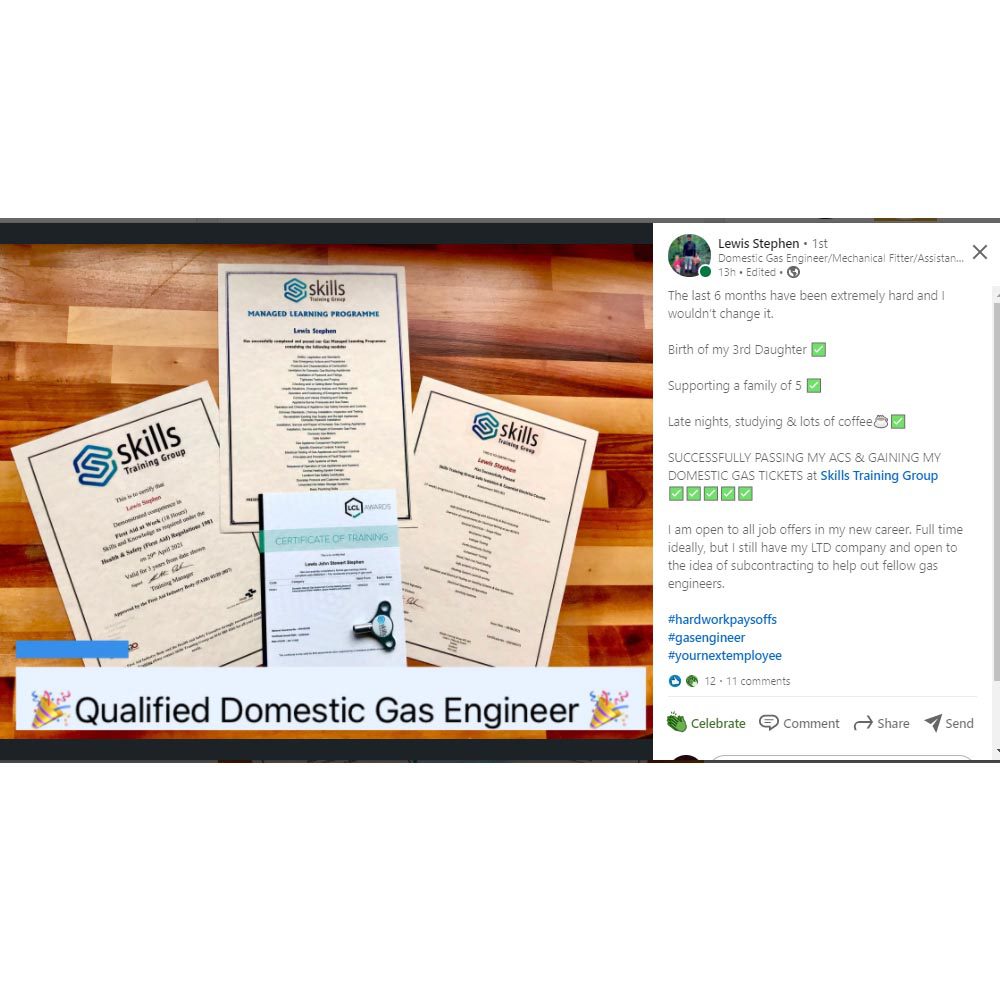
Pass your ACS Assessments giving you the qualifications to work under the Gas Safe Register which is the regulatory body for gas engineers.

Employment
You are now ready to start applying for jobs within the gas industry or start your own gas engineering company.
Why you should train as a Gas Safe Engineer
Many people who decide to retrain as a gas engineer later in life do so because of the attractive benefits it offers, especially the high starting salary and the fact that this is a job where there is always work.
This high demand – a result of the current trades skills shortage – means that there is plenty of opportunity for ambitious people. You may want to join a company for the security of a guaranteed paycheque and prospects of promotion as your skillset and experience increase, or you may choose to start your own business and pick and choose your jobs.
On top of these obvious benefits in a climate of economic and job insecurity, the hands-on nature of a gas engineer’s job means that gas engineers enjoy a more varied workday. This daily variation can be especially attractive to those who are tired of the nine-to-five grind of office working.

Salary
Depending on your experience level and area of expertise, typical salaries in the area range from £30,000 to up to £50,000 a year. By running your own business, these figures often increase dramatically.

Job Security
Because of the many regulations that require people to hire registered ‘Gas Safe’ engineers, your skills will always be in demand, which means you can count a range of career prospects and opportunities. As you gain experience, your career will grow, allowing it to be so much more than just a job - it’s a lifetime career.

Flexible Schedule
Unlike other professions, you’ll be able to manage your own time - and you’ll never be tied to an office chair. Each day will be different, and you’re in the driver’s seat when it comes to scheduling appointments and taking jobs, especially when you own your own business.

Day-to-Day Challenges
Working as a gas engineer is extremely rewarding. Every day you will be challenged and tested, relying on your manual skills, prolixity, patience, and communication in order to solve problems and succeed. Although not easy, you’ll never be bored while on the job.

What does the future hold for gas engineers?
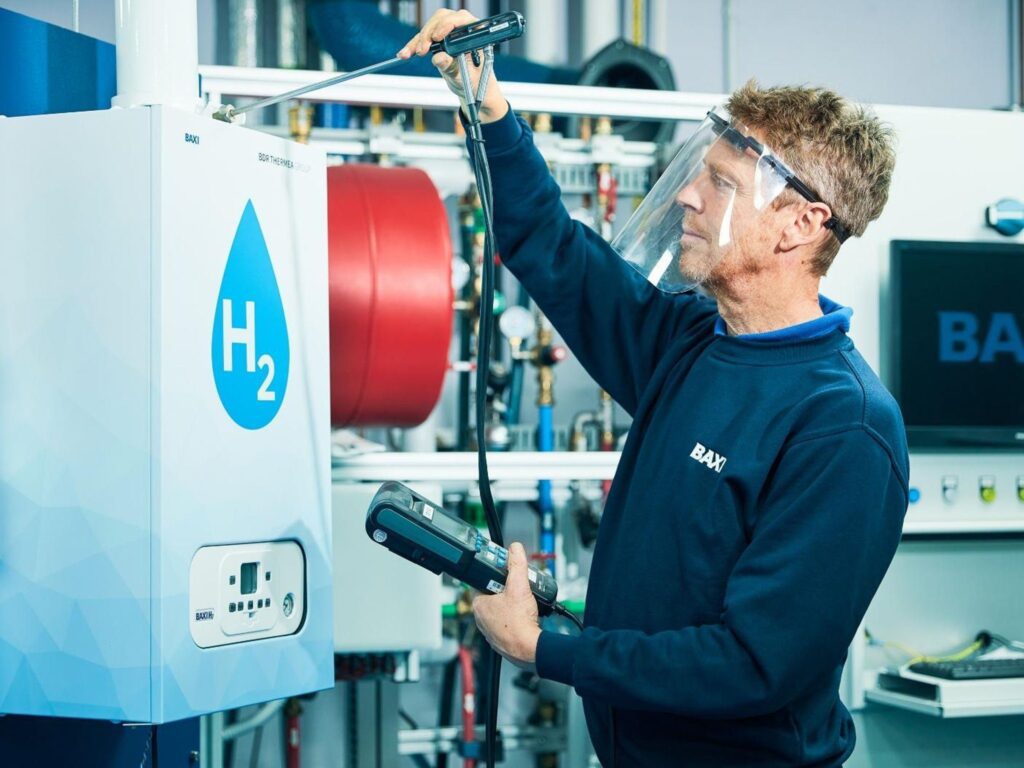
The future for gas heating engineers is extremely exciting and lucrative. The UK Government has committed to green alternatives to replace natural gas heating which is certain to create a vast amount of work in our industry.
The two primary technologies for reducing emissions to zero by 2050 are Air Source Heat Pumps and Hydrogen Gas boilers.
The important thing to remember here is although natural gas will eventually be phased out, Hydrogen gas is still gas, and it will still need to be regulated similar to natural gas by a governing body, such as Gas Safe. Also, both Hydrogen boilers and air source heat pumps will need to be installed and maintained by qualified heating engineers, so regardless of the new technologies, heating engineers will still be massively in demand, even more so than they are right now.
When talking to the Daily Mail about the Government deadlines, Charlie Mullins, CEO of Pimlico Plumbers who employ over 400 staff said, ‘The massive effort it would take to get the UK’s 30 odd million dwellings swapped out from old gas to green energy on the government’s timetable would keep the country’s current crop of heating engineers busy for a hundred years.
‘We already have a massive skills shortage in this area as a result of decades of undertraining and sending everyone to university to study English or sociology rather than signing up more apprentices in the building trades. So my message to ministers is – get real if you want anything to change.’
Download information pack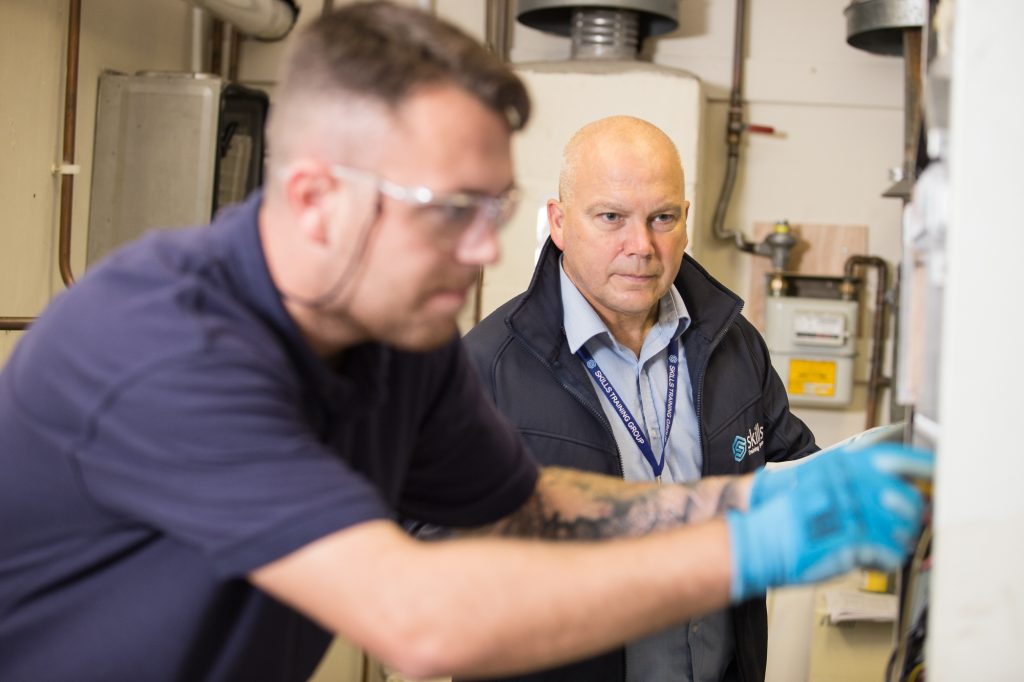
What to expect on the course
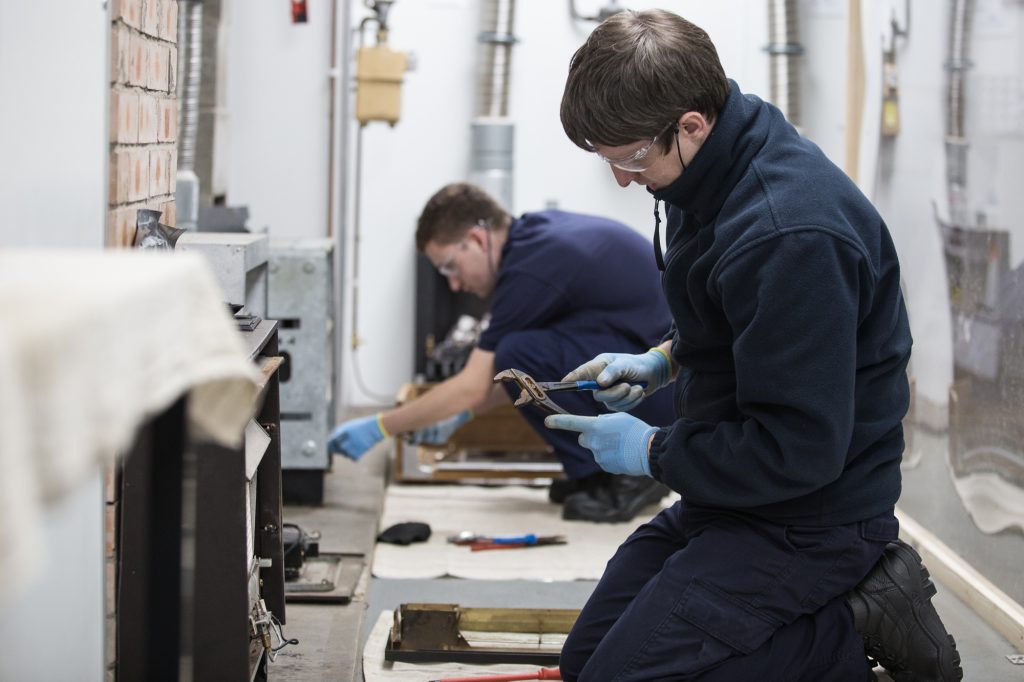
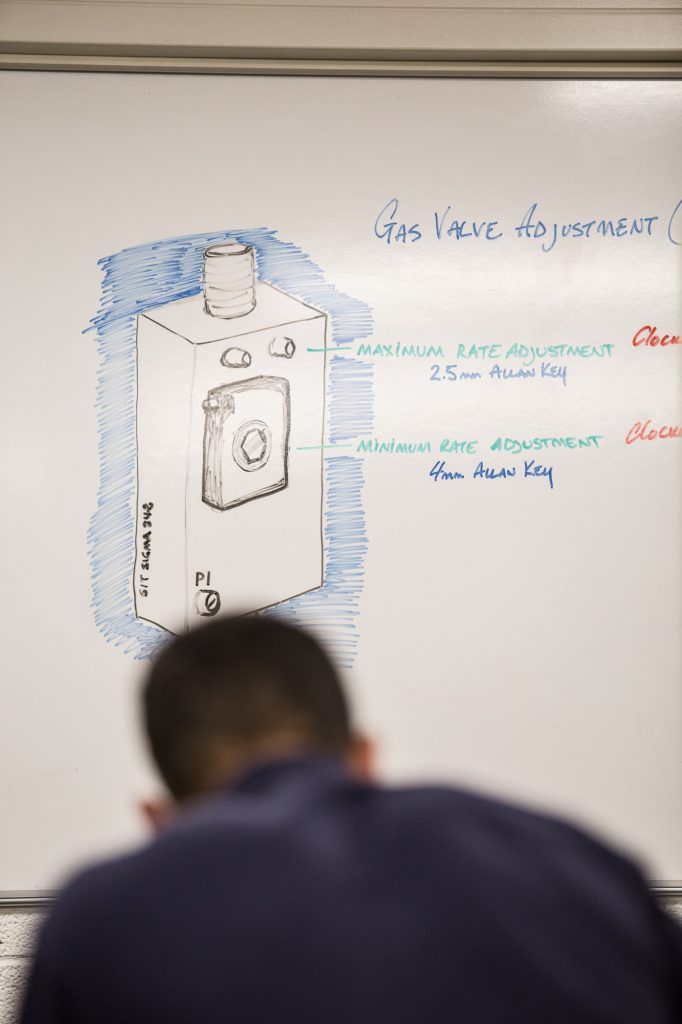
Skills Training Group’s 29-week gas engineer course focuses on high quality, employer-led training targeted on making you employable. Our training curriculum is designed to not only teach you the requirements to pass your course, but also to be competent enough to confidently use your new skills.
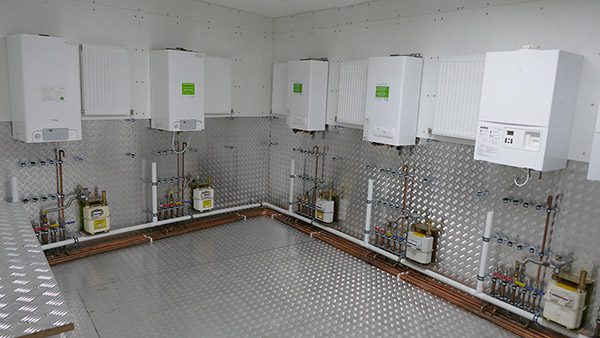
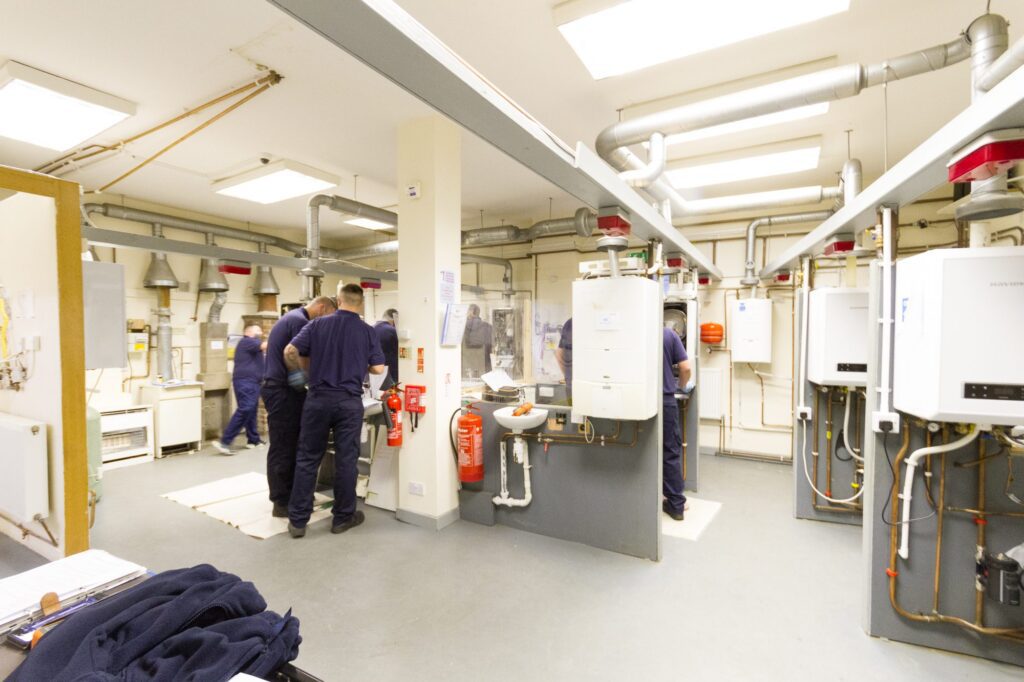
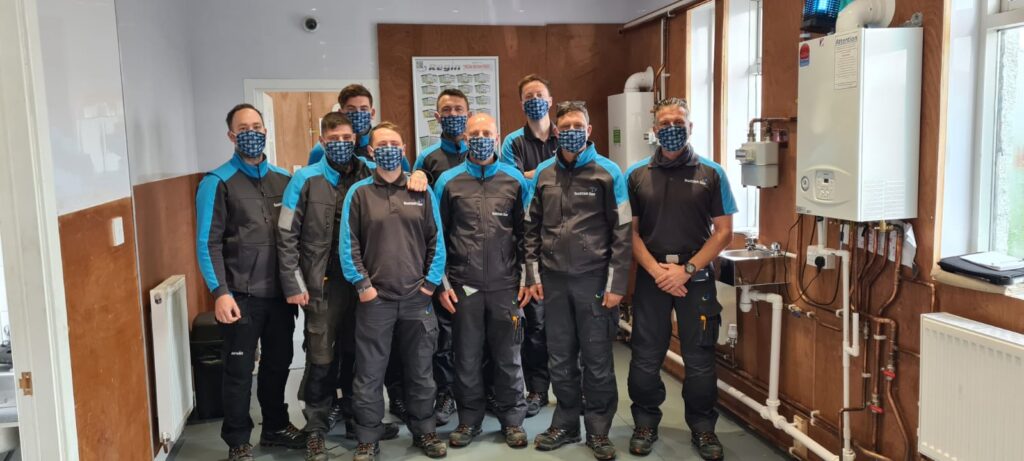
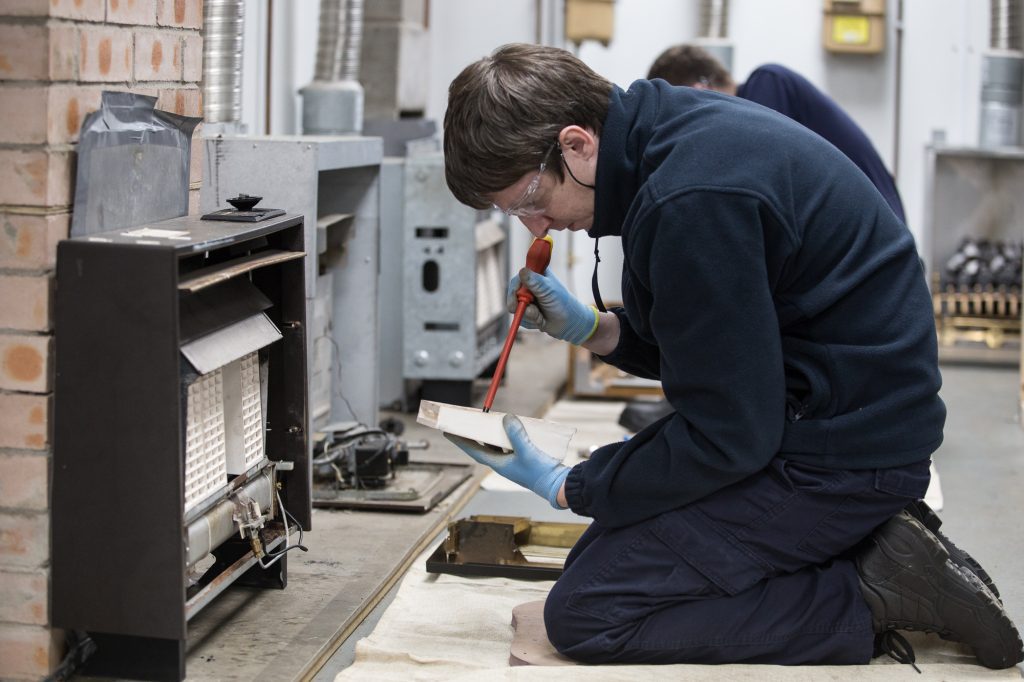
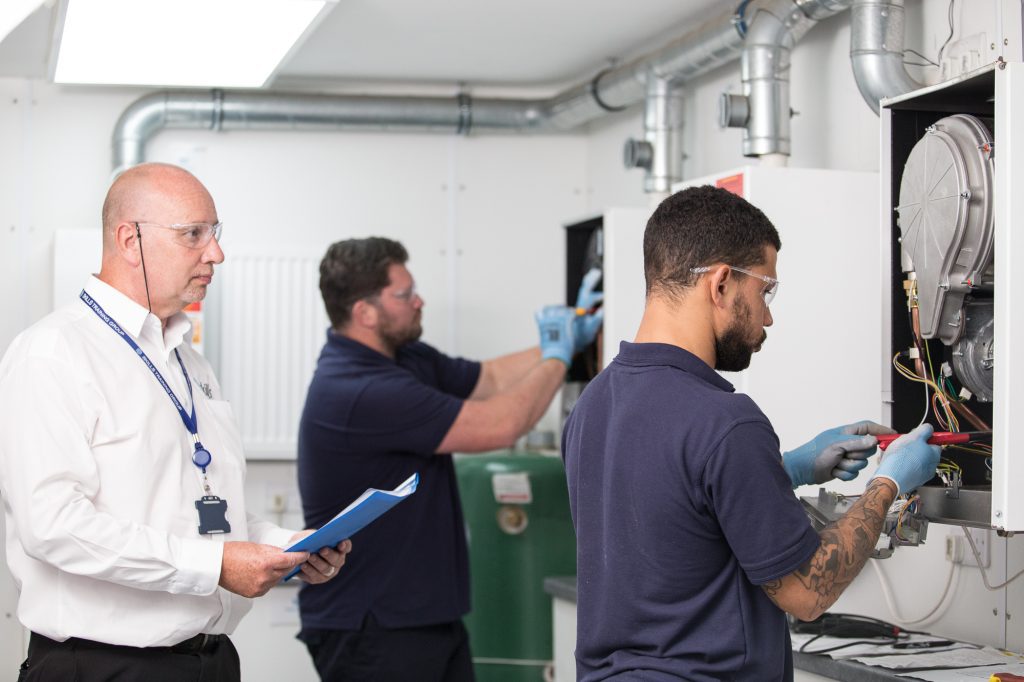
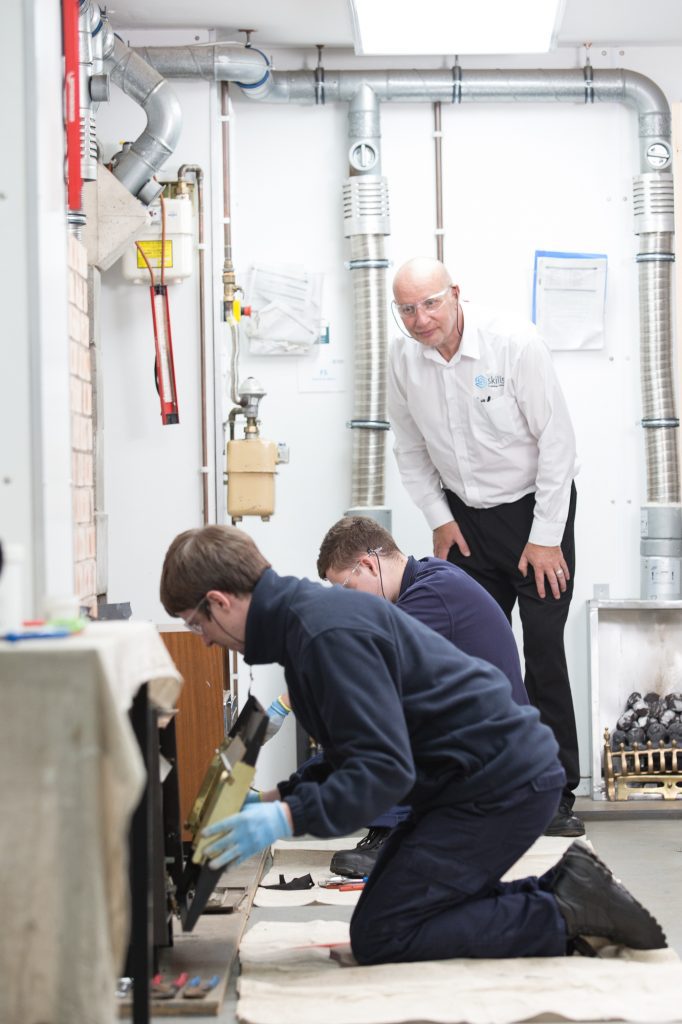
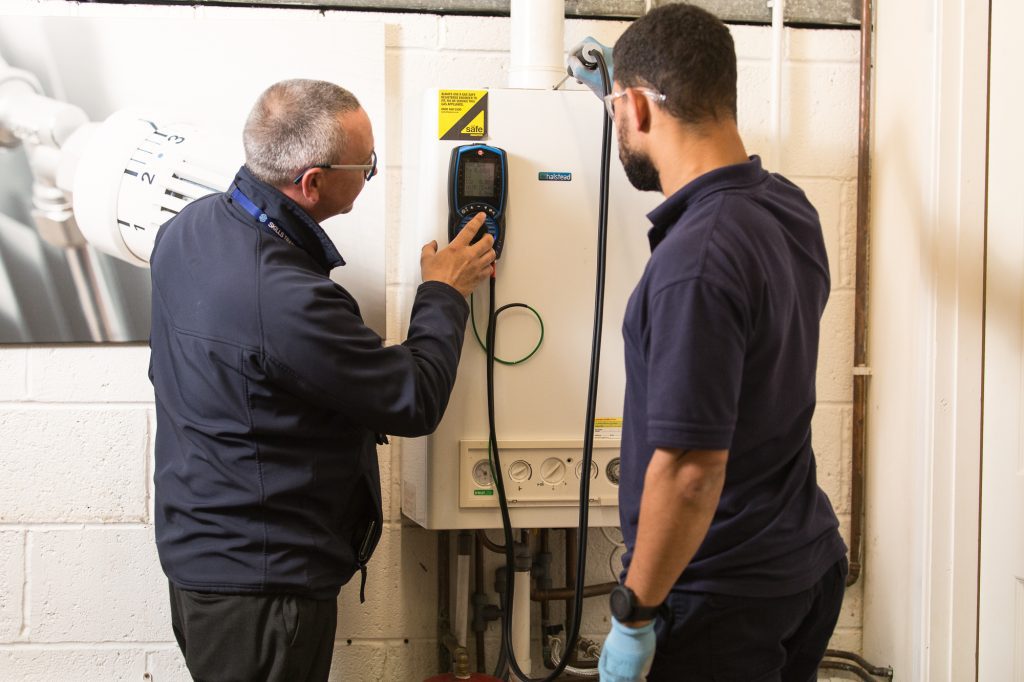
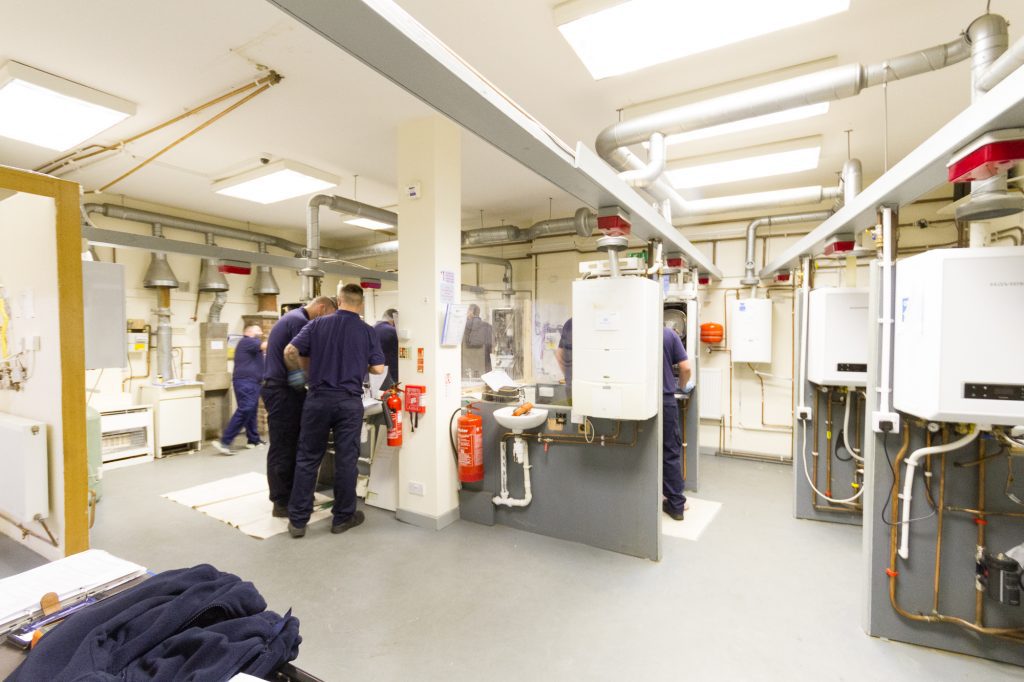
Our gas workshops are well equipped with all the latest technology, but also with older appliances that you will come across in the workplace. To date, we’ve invested over £250,000 to create the best possible training facilities, incorporating real-life practical scenarios to prepare you for the workplace.
Furthermore, all of our expert training staff are fully qualified industry experts with a minimum of 15 years experience working with some of the UK’s most accomplished gas engineering employers.
Key Learning Areas
The key learning areas for our gas engineer course focus on both practical and theory training on the industry recognised qualifications below.
CCN1 & CPA1 – This is the core gas safety certificate that all gas operatives must have to work in the domestic gas industry.
CENWAT – Installation, servicing, repair and commission of domestic central heating boilers and water heaters.
CKR1 – Installation, servicing and repair of domestic gas cooking appliances.
HTR1 – Installation, servicing and repair of gas fires and wall heaters.
Unvented Hot Water Storage Systems – Installation, servicing and maintenance of unvented hot water systems from 15 to 500 litres.
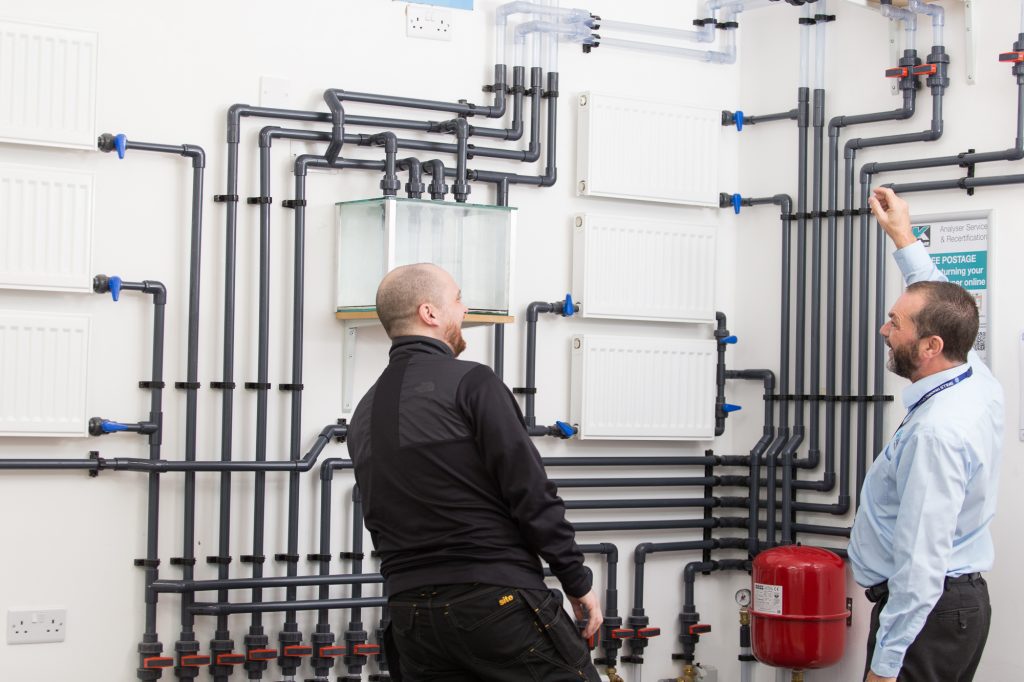
System Design and Fault Finding – Our own system design and fault-finding course aimed at giving you a better understanding of how to repair central heating systems and boilers.
Level 3 Award in the Installation and Maintenance of Air Source Heat Pumps – Install, Service and Maintain Air Source Heat Pump Systems
Download information pack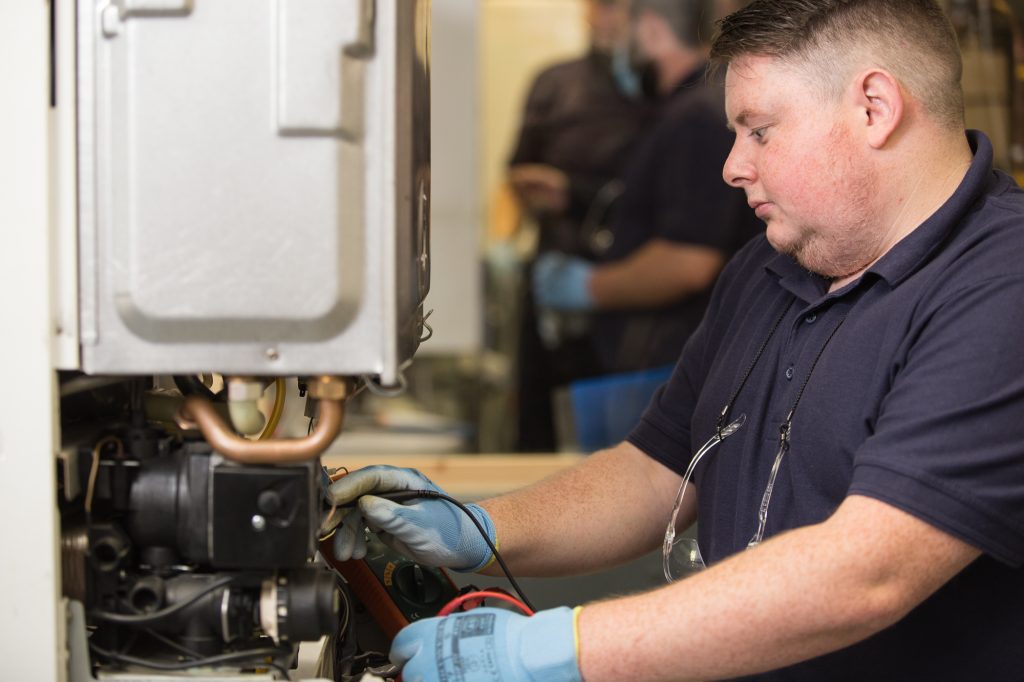
What are your career prospects at the end of this course
Once qualified you could:
- Install, service and repair gas central heating boilers, water heaters, fires, cookers and meters.
- Work for gas engineering companies, insurance companies, housing associations and much more.
- Complete Landlord Gas Safety Certificates.
- Complete maintenance work for letting agents.
- Provide boiler cover plans.
- Apply to work as a subcontractor for British Gas, Boxt, Corgi Homeplan and many other companies.
- Provide out of hours emergency call-outs at premium rates.




Video Testimonial From iSafe Gas Director, Scott Smith
Scott Smith completed our 29-week gas safe course at our Paisley training centre. Scott has gone from strength to strength since completing his training, starting gas engineer company iSafe Gas. Scott shares his experience during this testimonial video.
Download information packWhy do people choose Skills Training Group?
Founded in 2011, we focus on delivering high quality, employer-led training that sets our students up for entering the heating and utilities workforce in Scotland and the surrounding area.
World class training facilities
Training experience
Guaranteed work placements
Leading curriculum

Fast certification turnaround

Expert trainers
Gallery
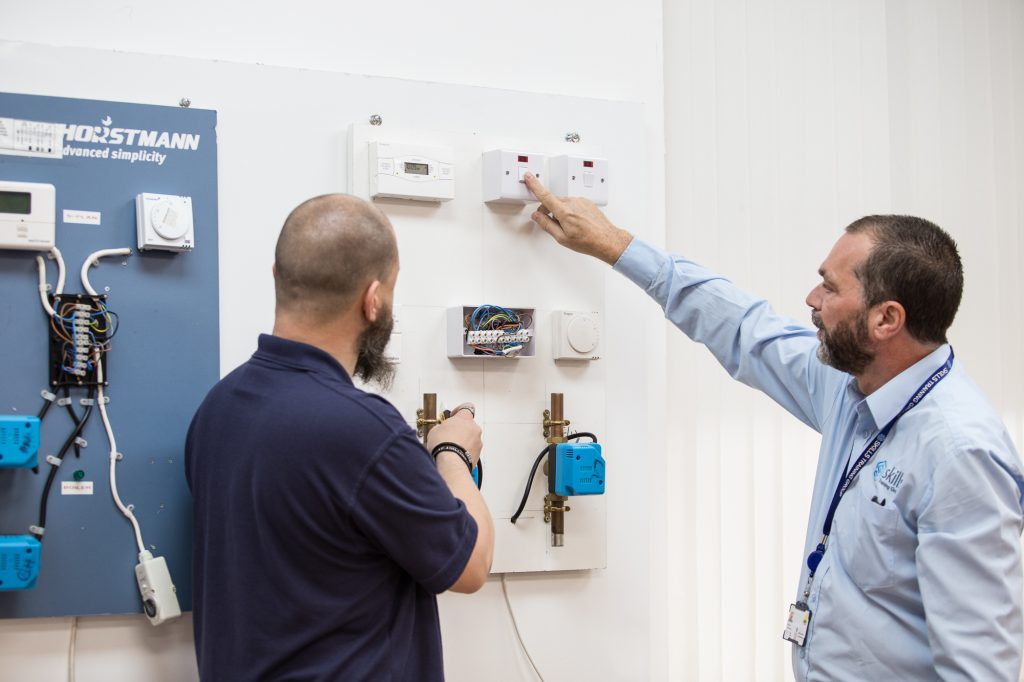
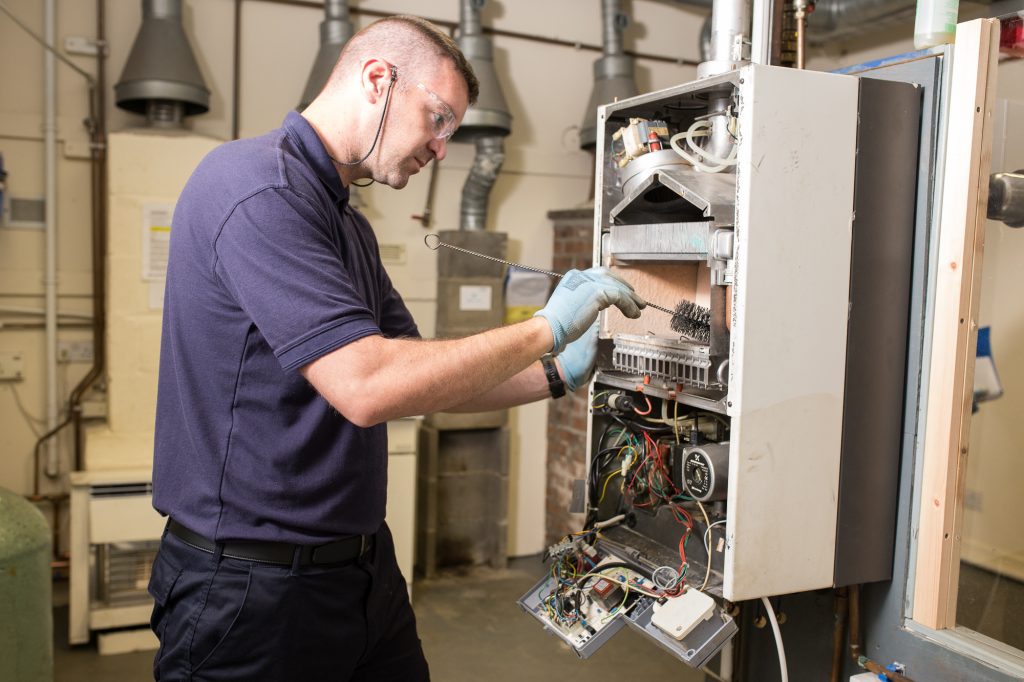
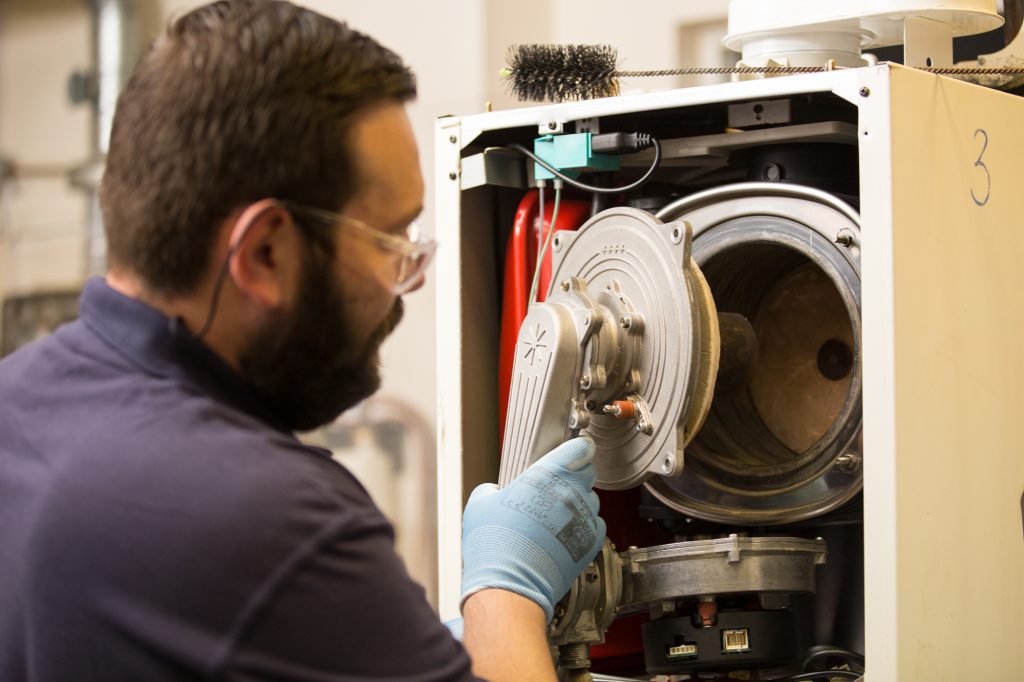
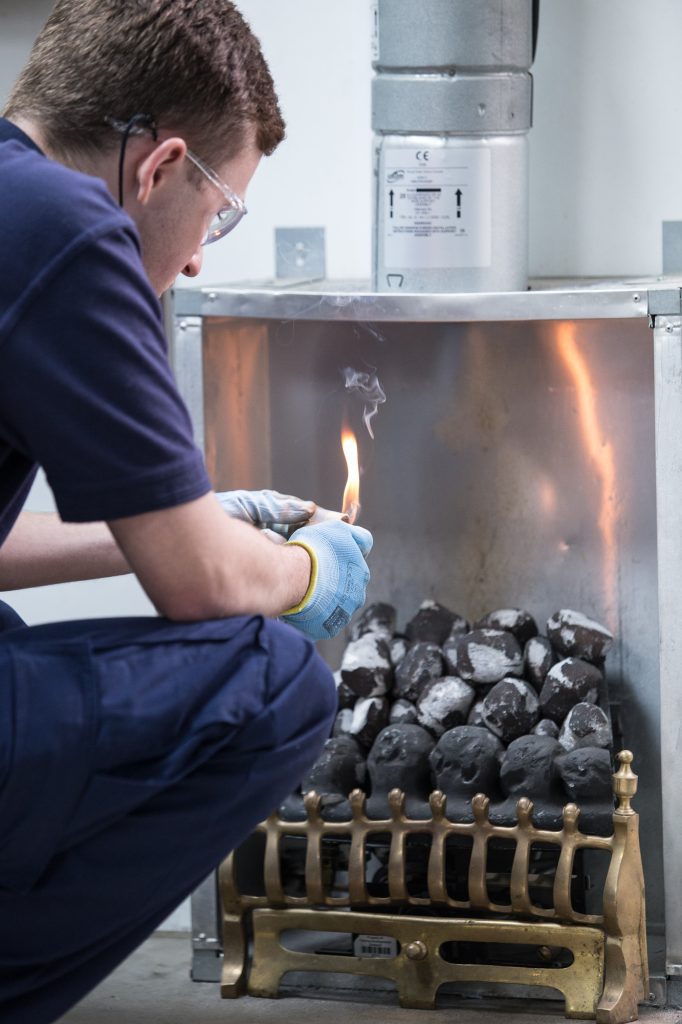
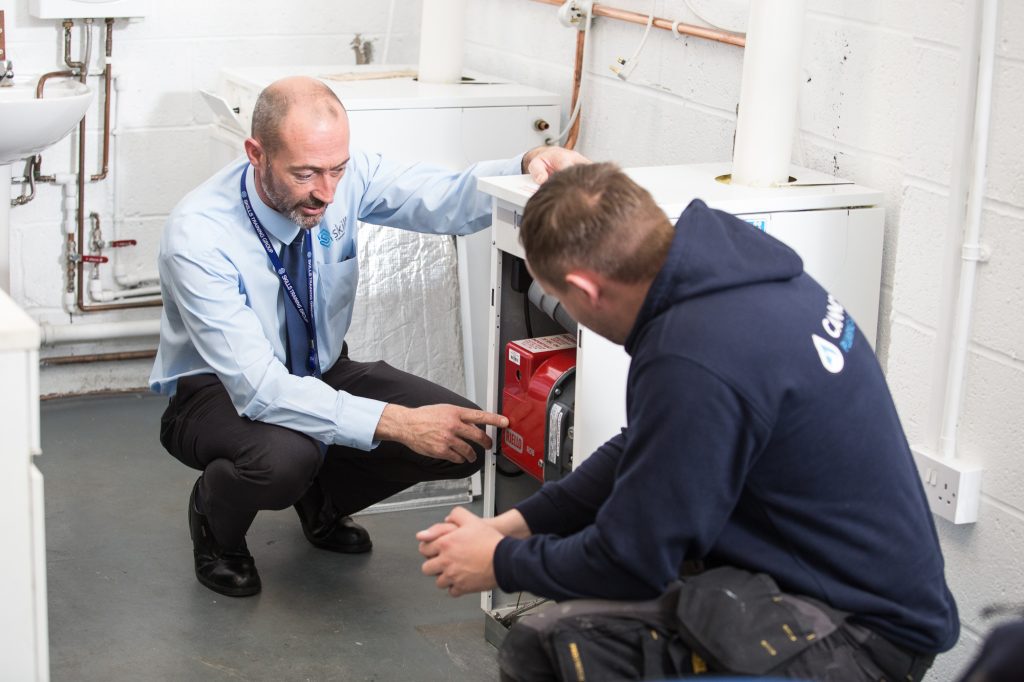
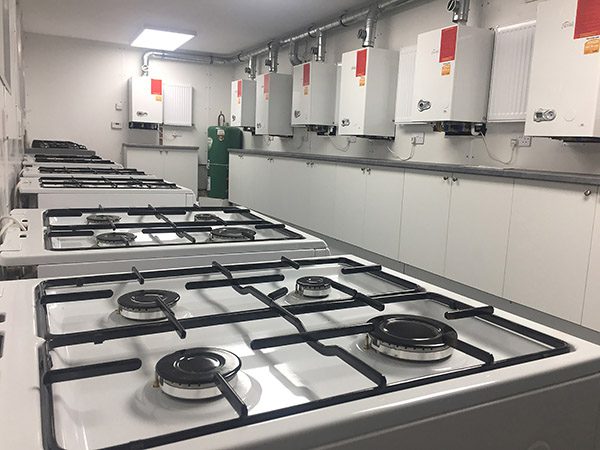
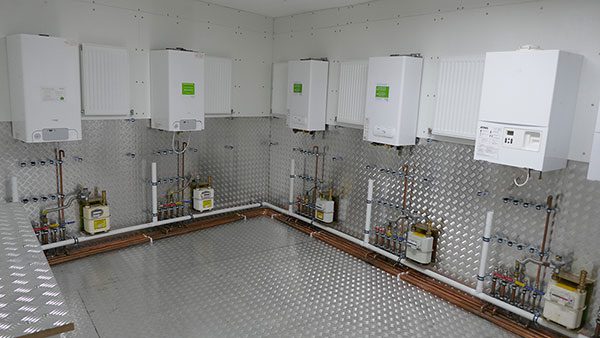
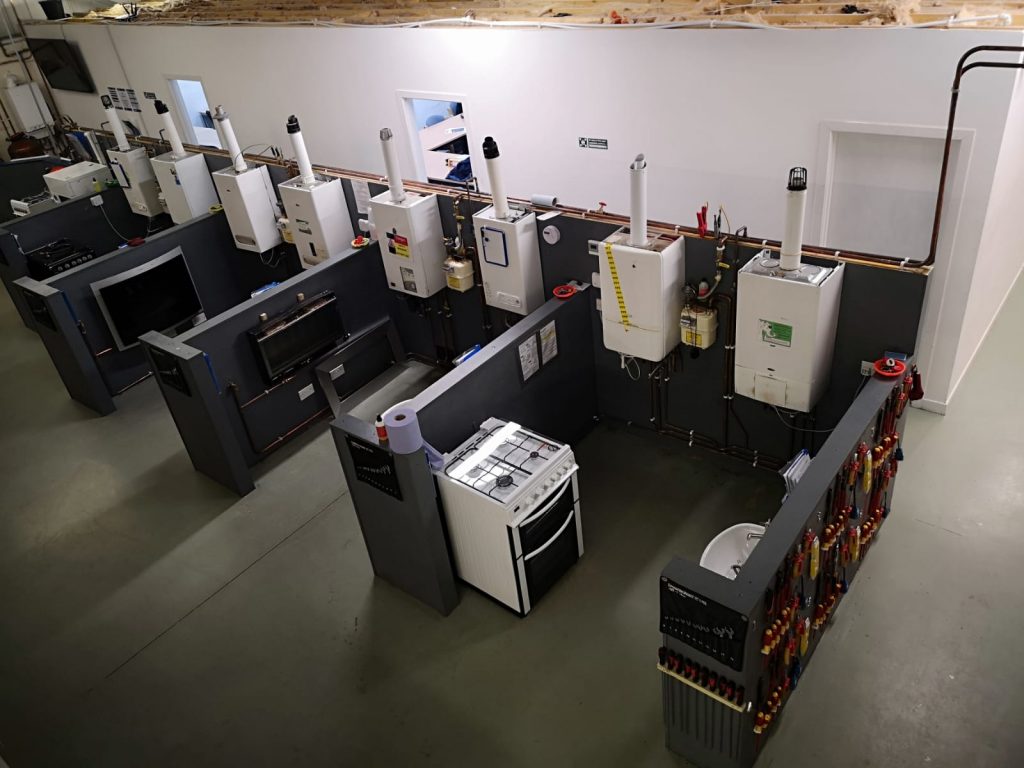
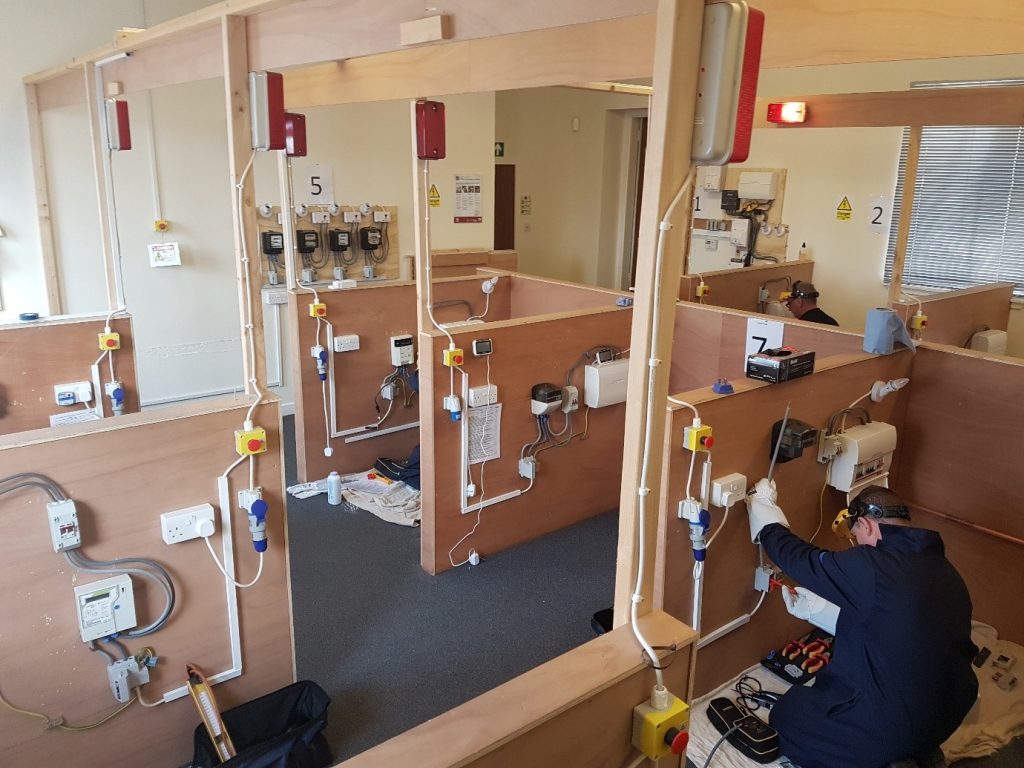
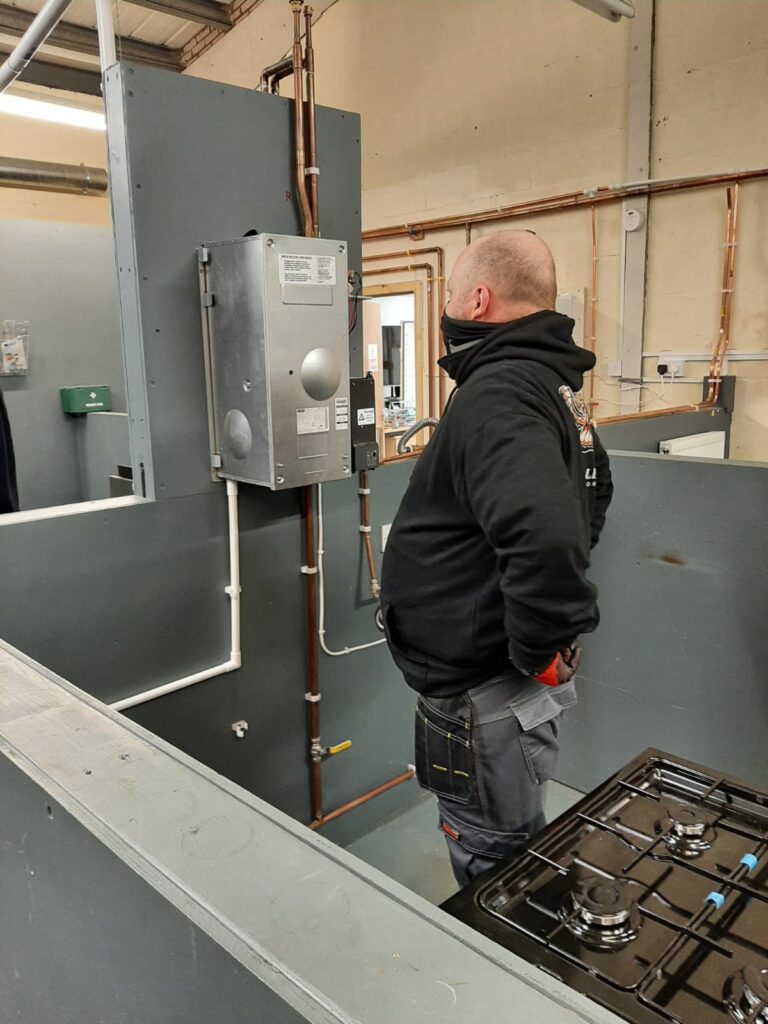
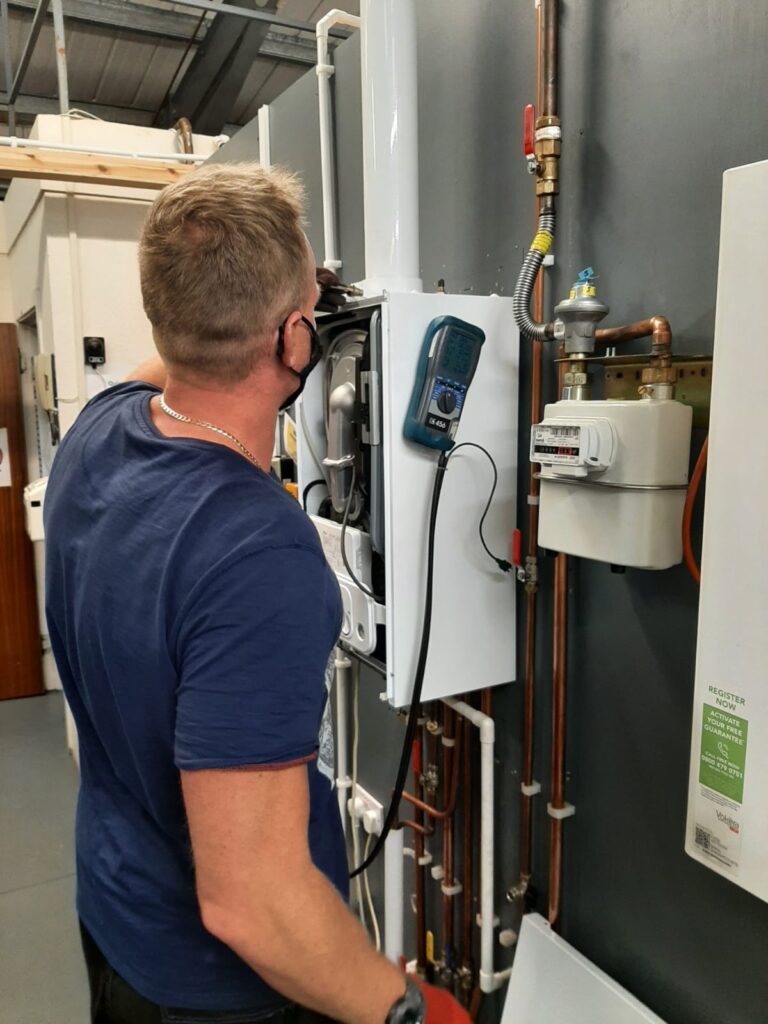
Some pictures of our gas safety training facilities, students and teachers.





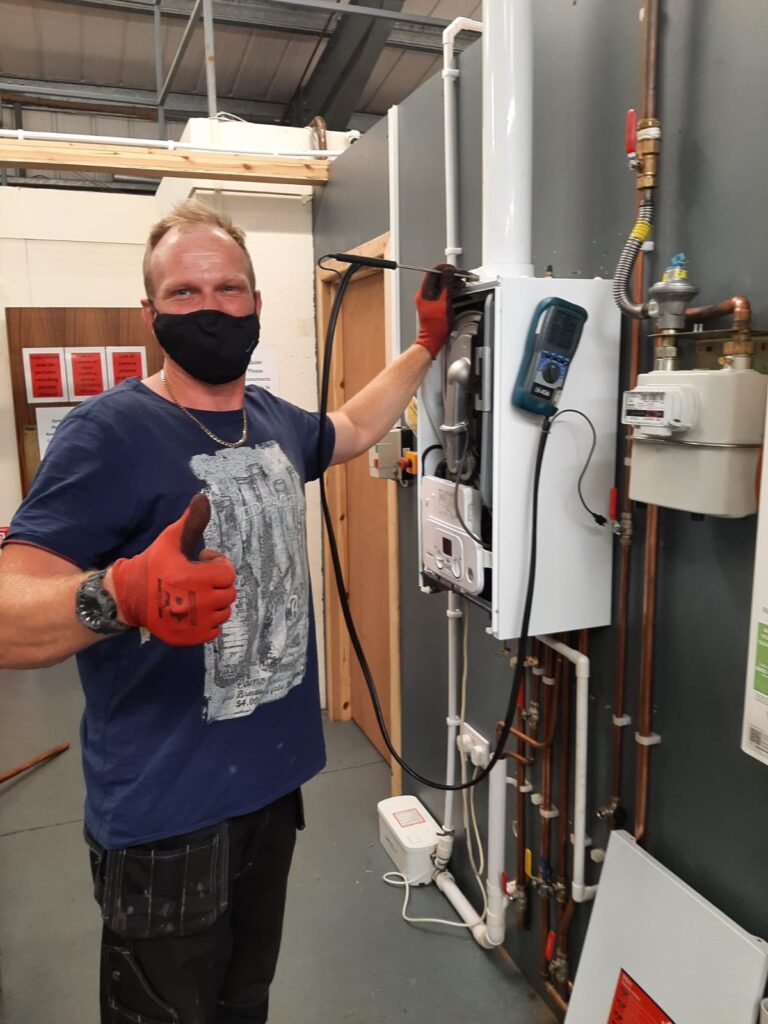
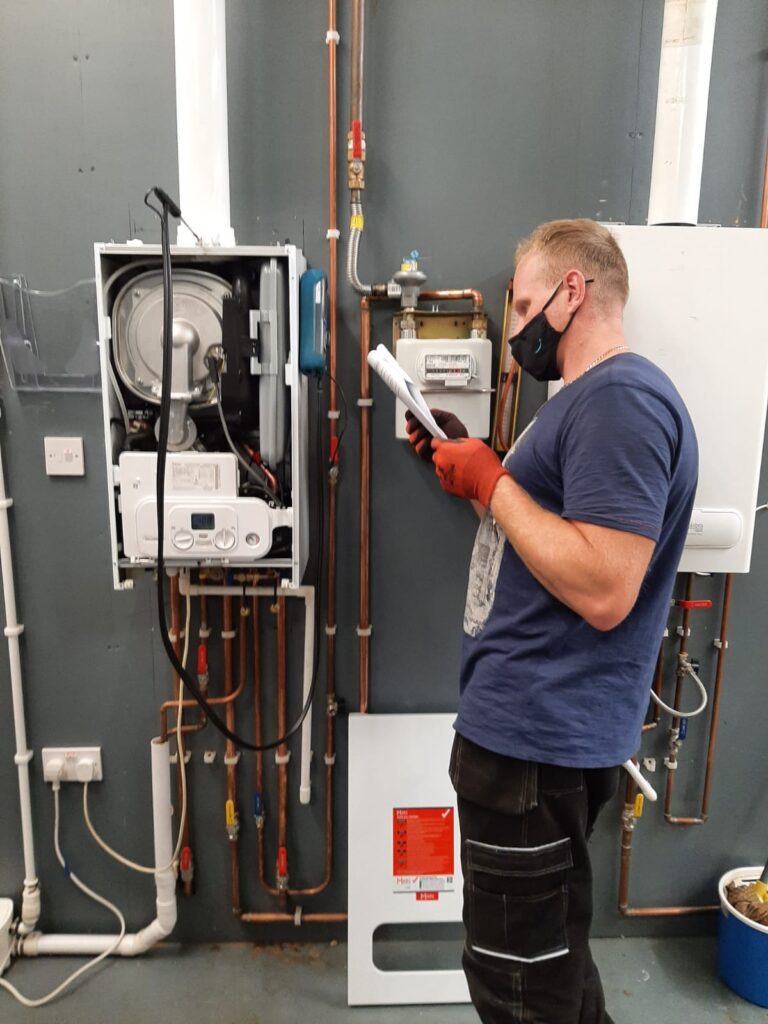
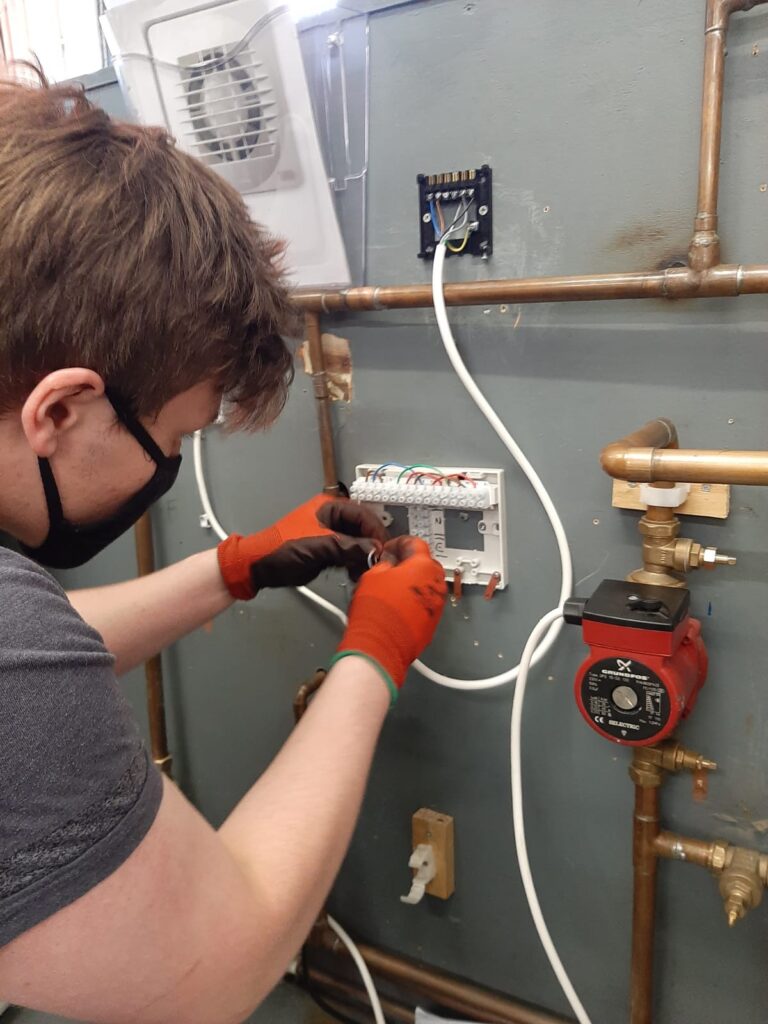
Our facilities
As the leading heating and utilities training provider in Scotland, we operate state-of-the-art training facilities in both Paisley and Dalgety Bay, Fife.

Purpose built workshops
Our purpose-built workshops are designed for both novice and experienced learners with a large variety of appliance types and models.
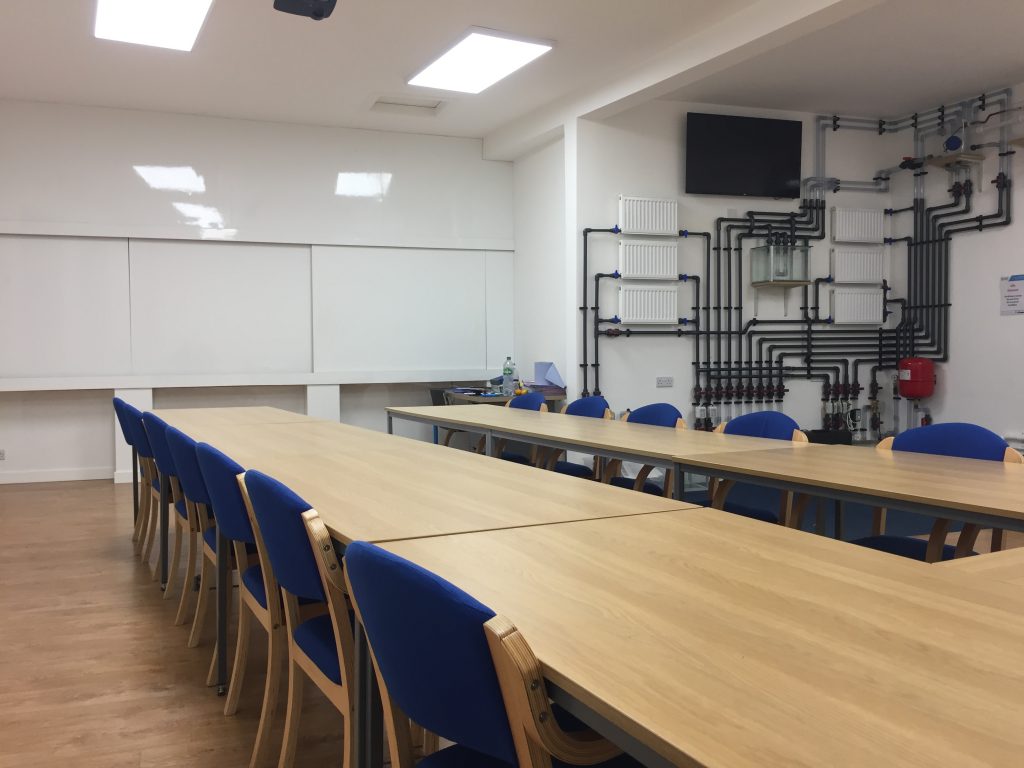
Spacious Classrooms
Our classrooms are bright and spacious utilising technology to enhance your training experience.
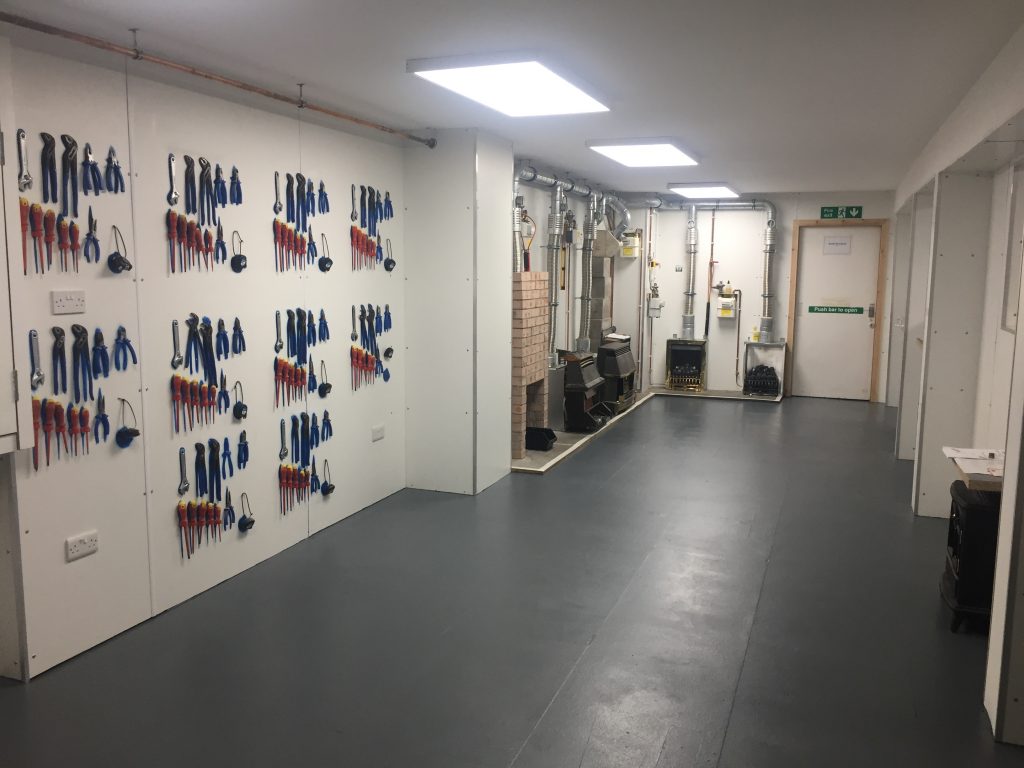
All tools provided
Our centres are kitted out with all the tools you require to complete your practical training.
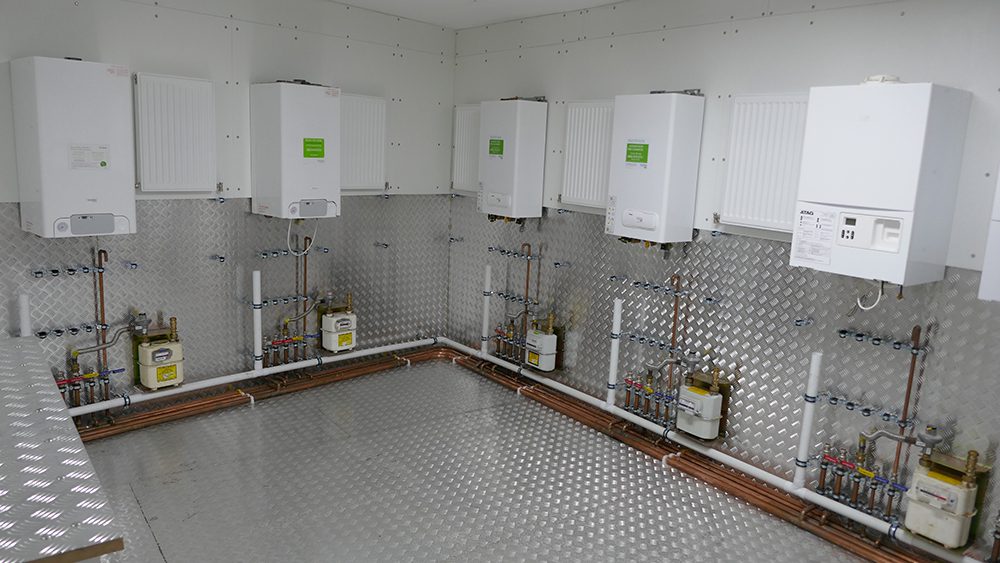
£250,000 training facilities
We have invested heavily in creating the best possible training facilities, incorporating real-life practical scenarios to prepare you for the workplace.

On site parking
On site parking is available at all of our centres and most of our satellite training centres.

Easy public transport access
Our training centres are easy to travel to & accommodation is readily available.
Frequently Asked Questions
Is your course Accredited?
Yes, our course is accredited by LCL Awards.
LCL Awards is one of the Building Services Engineering (BSE) sectors foremost certification bodies, offering qualifications via a network of approximately 200 approved centres located nationwide.
Am I too old to do this course?
We're often asked 'Am I too old to retrain as a gas engineer?'. You'll be glad to hear students of all age groups are welcome on our course. With age comes life experience, maturity and reliability - all highly sought after traits from prospective employers.
Do you offer any distance learning courses?
No - We don’t believe that you can be trained sufficiently on a self-learning or self-study course within the heating industry because there will be many topics that are too complex to pick up from simply reading a book. There is also a huge amount of practical training required to become a gas engineer, which is not available doing distance learning.
Am I eligible to join the Gas Safe Register after successfully completing the course?
After you have passed your assessments you will be eligible to join the Gas Safe Register and hold the mandatory qualifications to work within the domestic gas industry.
How much does it cost to join the Gas Safe Register?
If you are working for an employer, they will pay this for you. If you start your own company this initial cost will be around £400 and requires to be renewed every year for approximately £120.
Will I gain any hands-on experience during this course?
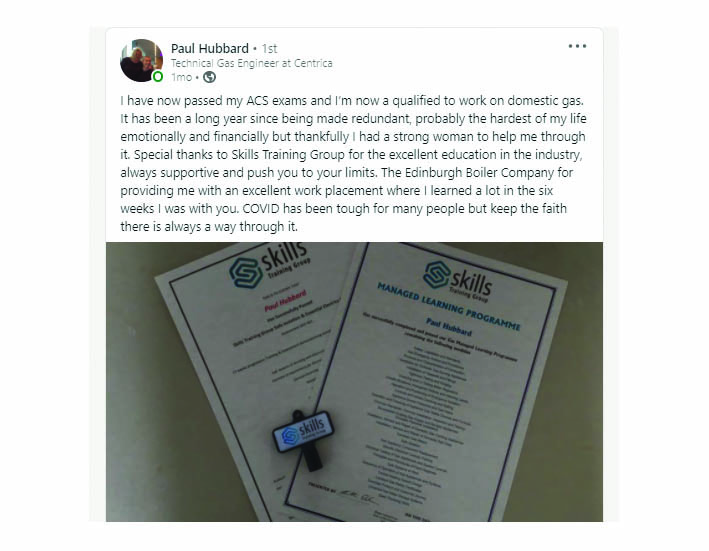
Of course. Our gas safe course is one of the longest courses available for new entrants. This gives us plenty of time to spend in our practical workshop concentrating on skills that are going to make you employable. You will also spend 18 weeks with a Gas Safe Registered company where you will build up a portfolio of work which is a mandatory requirement before you can be assessed.
Am I guaranteed a job?
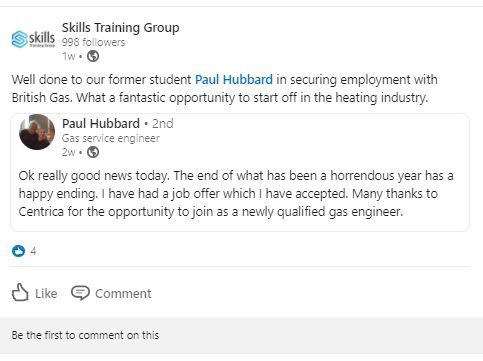
Unfortunately, we cannot guarantee you a job. Just like a university degree, there is no guarantee of employment after completing your training, however, by completing your training with us you will have an advantage over other students entering the industry due to our reputation in this sector.
What is the industry standard salary for a gas engineer?
The industry standard salary for a gas engineer ranges between £27,000-£35,000. If you include overtime & standby allowance, it is not uncommon for an engineer to earn well over £45,000 per year. This, however, can be significantly higher if they decide to work as a self-employed gas engineer. Please, read more here.
Do you think I would be able to go self-employed right away?
Many of our students have gone self-employed. It would be much easier if you already come from a technical background as naturally you will pick things up much quicker. If you aren’t from a technical background, you can still go self-employed but we would recommend working with an employer for at least 6 months first to build up your experience.
Do I need to buy anything?
We will supply you with all your PPE, Workwear and tools while in the centre. When on placement you will share your engineer’s tools, however, once you gain employment an employer will expect you to have your own basic tool kit which could cost around £200.
How do I book?
Call one of our customer service team on 0808 164 2780 and they will walk you through the booking process.