Course overview
No previous electrical experience or qualifications are needed to attend our Edinburgh PAT testing course. The day takes complete beginners through to confident, competent testers, while also giving anyone already working in the field a thorough, up-to-date refresher.
What You’ll Learn
The course blends clear, practical theory with structured hands-on testing, so you understand not just how to test an appliance but why each step matters. Over the day you’ll cover:
- Electrical safety principles and the common hazards found in workplaces
- Your legal responsibilities under UK health and safety law and the Electricity at Work Regulations 1989
- How appliances are classified — Class I (earthed) and Class II (double insulated) — and why the class changes how you test
- User checks and formal visual inspection
- Correct setup and use of a PAT testing machine
- Earth continuity, insulation resistance and earth leakage testing
- Carrying out load and functional checks safely
- Testing a range of equipment, including IT equipment, extension leads and power tools
- Interpreting test readings and making accurate pass/fail decisions
- Setting sensible, risk-based retest intervals
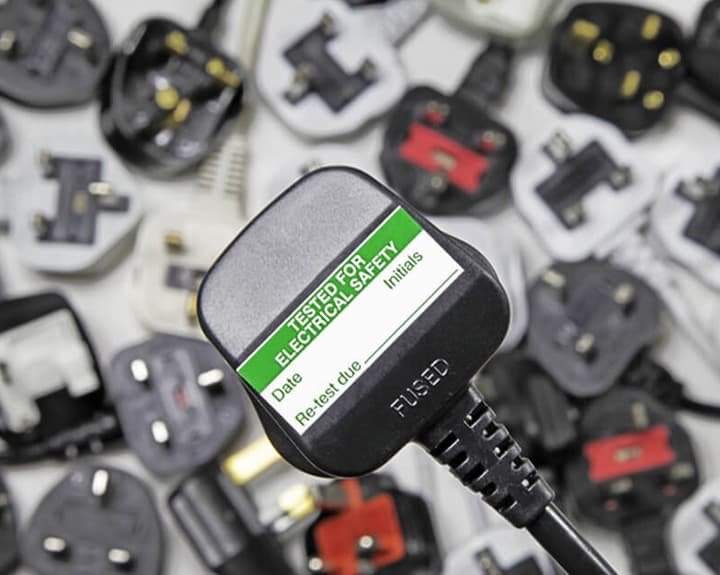
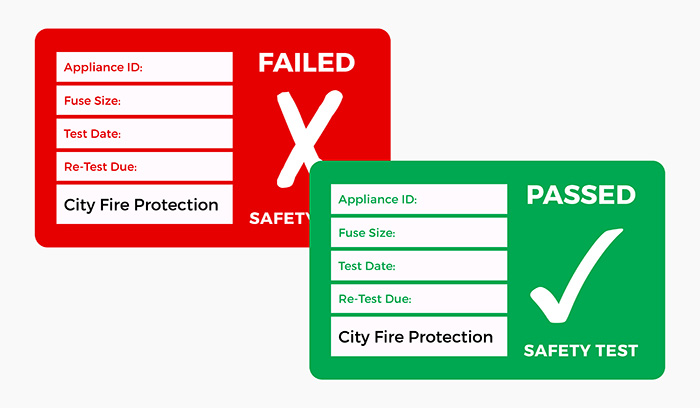
- Labelling appliances and keeping proper test records
- Applying the IET Code of Practice to real workplace situations
Course Content
The 1 Day PAT Testing Course in Edinburgh covers the essential topics needed to inspect and test portable appliances safely and competently, including:
- Legal requirements for PAT testing
- Identifying electrical dangers in the workplace
- Reducing the risk of electric shock, electrocution and electrical fires
- Proper inspection, testing and maintenance of portable electrical appliances
Course Objectives
By the end of the day you will be able to:
- Understand the legal and safety requirements for PAT testing in the UK
- Identify and address electrical dangers in the workplace
- Competently and safely test, inspect and maintain portable electrical appliances
Duration
1 day (9am – 4pm).
Entry Requirements
There are no formal entry requirements. No previous electrical knowledge or experience is needed — the training starts with the basics and builds gradually, so everyone can take part with confidence.
PAT Testing Training in Edinburgh
Our Edinburgh course is held at St Thomas’ Church, 79 Glasgow Road, Corstorphine, Edinburgh, EH12 8LJ — in the west of the city and easily reached from across Edinburgh, the Lothians and Fife. The venue sits on the A8 with good links to the city bypass, and regular buses run along Glasgow Road. We regularly train delegates from across Edinburgh and the surrounding area, including facilities and maintenance staff, electricians, office and business managers, landlords, and people setting up their own PAT testing service.
Getting to the venue
- By train: South Gyle (ScotRail) is about half a mile (a 15 minute walk); for mainline services use Haymarket or Waverley, then a Lothian bus west.
- By bus: Lothian route 31 stops right outside on Glasgow Road (A8); routes 12 and 26 also serve it, and the Airlink 100 runs to the airport.
- By car: There is a car park to the rear of the church; on-street parking directly outside is very limited.
Who Should Attend
The Edinburgh 1-Day PAT Testing Workshop caters to a diverse group of individuals tasked with the safety and upkeep of electrical appliances. This training is ideal for those seeking hands-on knowledge and skills in inspecting and testing portable appliances, in line with legal standards. Participants who will find this course particularly beneficial include:
- Facility Managers and Maintenance Teams: This course is invaluable for those charged with ensuring the safety and proper functioning of electrical appliances in buildings or sites. It offers vital testing knowledge essential for maintaining workplace safety.
- Electricians and Electrical Contractors: For professionals routinely dealing with portable appliances, this workshop is an opportunity to enhance their skill set and deepen their understanding of portable appliance testing.
- Office Managers and Business Owners: Keeping electrical appliances safe and well-maintained is crucial in any workplace. This course is highly advantageous for those looking to conduct in-house testing within their organisation.
- Health and Safety Officers: For organisations with dedicated health and safety teams, this course is a must. It equips officers with the know-how to test, inspect, and maintain electrical appliances, ensuring adherence to safety regulations.
- Landlords and Property Managers: Ensuring electrical safety in rental properties is a key responsibility. This course provides essential knowledge in portable appliance testing, facilitating proper safety checks in their properties.
In summary, the Edinburgh 1-Day PAT Testing Workshop is versatile and practical training suited for various professionals responsible for electrical appliance safety. The course’s hands-on approach and expert instruction provide invaluable experience and skills necessary for ensuring appliance safety in compliance with legal standards.
Course Materials
Workbook
The Edinburgh 1-Day PAT Testing Workshop includes a thorough workbook for each participant. This workbook is meticulously crafted to encompass all the fundamental aspects of Portable Appliance Testing (PAT), ensuring that attendees acquire the necessary knowledge and comprehension for legal compliance. The workbook is an essential resource, offering in-depth explanations of core concepts, various testing methodologies, and safety protocols relevant to PAT.
Key topics covered in the workbook are:
- Understanding Legal Requirements: This section provides a detailed overview of the legal obligations associated with PAT, helping attendees navigate the legal landscape effectively.
- Identifying Types of Electrical Appliances: The workbook educates participants on differentiating various types of electrical appliances, a crucial skill for effective testing.
- Recognising Potential Hazards and Risks: It emphasizes the identification of potential hazards and risks associated with electrical appliances, enhancing safety awareness.
- Safe Inspection and Testing Procedures: Attendees will learn the best practices for conducting safe and efficient inspections and tests on portable appliances.
- Record-Keeping and Documentation: This part focuses on the importance of maintaining accurate records and documentation, which is essential for compliance and safety tracking.
In essence, the workbook provided in the Edinburgh 1-Day PAT Testing Workshop is a comprehensive guide that equips attendees with vital information and skills for proficient and legally compliant PAT testing.
Practical Equipment
In addition to theoretical knowledge, the 1 Day PAT Testing Course in Edinburgh also emphasises practical training. Attendees are given access to an extensive range of specialised equipment and tools for hands-on experience in PAT testing. The practical sessions are carefully structured, with instructors supervising and guiding learners throughout the process.
Here are some of the practical equipment and tools provided during the course:
- Portable Appliance Tester (PAT) machines
- Test leads and adaptors
- Insulation and continuity testers
- Extension leads and socket testers
Throughout the practical sessions, students are taught how to:
- Perform visual inspections of appliances
- Conduct functional testing on various appliances
- Identify and troubleshoot common issues
- Interpret test results and determine compliance
Assessment and Certification
Examination Process
The 1 Day PAT Testing Course in Edinburgh consists of both theoretical and practical components that cover the essential knowledge and skills required for safe testing, inspection, and maintenance of portable electrical appliances. The examination process typically includes:
- A theoretical assessment in which participants complete a written test to demonstrate their understanding of relevant concepts and safety procedures.
- A practical assessment where participants must conduct various PAT testing tasks, such as inspecting and testing a variety of appliances. This element allows participants to demonstrate their competence in using PAT testing equipment and applying safety protocols.
It is important for participants to focus on understanding the course content and practical applications to ensure they are well-prepared for the examination process.
Certification
Upon successful completion of the 1 Day PAT Testing Course in Edinburgh, participants receive a personalised certificate that validates their competence as a qualified PAT tester. This certification is essential for demonstrating expertise in the field and ensuring compliance with relevant safety standards. Some key points to note about the certification are:
- Certificates are issued by the training provider and may include details such as the participant’s name, date of completion, and the course attended.
- The certificate serves as proof that the participant has gained the necessary skills and knowledge to safely perform PAT testing tasks.
- It is crucial for certified PAT testers to maintain their competence and stay up-to-date with changes in safety regulations and industry best practices. Regular refresher courses or additional training may be necessary to ensure continued compliance and competence.
In summary, the 1 Day PAT Testing Course in Edinburgh provides participants with an opportunity to gain valuable knowledge and practical experience in PAT testing. Successful completion of the course and subsequent examination process results in a certification that is essential for demonstrating competence and ensuring compliance with safety standards in the field of PAT testing.
It’s worth clearing up a common misconception: you don’t need a formal qualification such as City & Guilds 2377 to test portable appliances legally. UK health and safety law doesn’t require any specific qualification or certificate — it simply requires that whoever does the testing is competent. Your Skills Training Group certificate is clear, recognised evidence of that competence to show employers, clients, insurers and auditors.
Frequently Asked Questions
Do I need any experience or qualifications to attend?
No. There are no entry requirements and no prior electrical knowledge is needed. The course is built for beginners, starting with the key principles before moving into hands-on testing, and experienced delegates use it as a structured refresher.
Is PAT testing a legal requirement?
There is no law that says you must 'PAT test', but the Electricity at Work Regulations 1989 require electrical equipment to be maintained so it does not cause danger. In-service inspection and testing is the recognised way to show you are meeting that duty, which is why employers, landlords and businesses arrange it.
Do I need to bring my own PAT tester?
No. We provide professional PAT testing machines and all the equipment you need on the day, so you get plenty of hands-on practice. You are welcome to bring your own tester if you would like to learn on the model you will use at work.
Will I get hands-on practice or is it mostly theory?
It is a practical, hands-on course. After the morning's theory you will spend the afternoon carrying out real inspection and testing on a range of appliances under the trainer's supervision.
Is one day really enough to test confidently?
Yes. The course is designed so that, by the end of the day, a complete beginner can carry out user checks, visual inspection and electrical testing competently, and know how to record and act on the results.
Will my certificate be recognised by employers and during inspections?
Yes. You receive a Skills Training Group Certificate of Competence, aligned with the current IET Code of Practice and HSE guidance. It demonstrates to employers, clients and auditors that you are competent to carry out PAT testing.
How long is my certificate valid and will I need to retrain?
The certificate does not legally expire, but as guidance and best practice change we recommend refreshing your knowledge every three to five years to stay current.
Can I start a PAT testing business after this course?
Yes — many delegates take the course to offer PAT testing commercially. You will leave able to test safely and competently; you just need your own PAT tester and suitable insurance to begin trading.
Where is the Edinburgh course held?
At St Thomas' Church, 79 Glasgow Road, Corstorphine, Edinburgh, EH12 8LJ — in the west of the city, easily reached from across Edinburgh, the Lothians and Fife, with good road and bus links along the A8.
Is this course suitable if I only need to test equipment in my own workplace?
Absolutely. Many attendees are employers, facilities managers or landlords who want to test in-house and reduce the cost of using an external contractor. The course gives you everything you need to do that safely and keep proper records.